
Insights
Feb 22, 2026
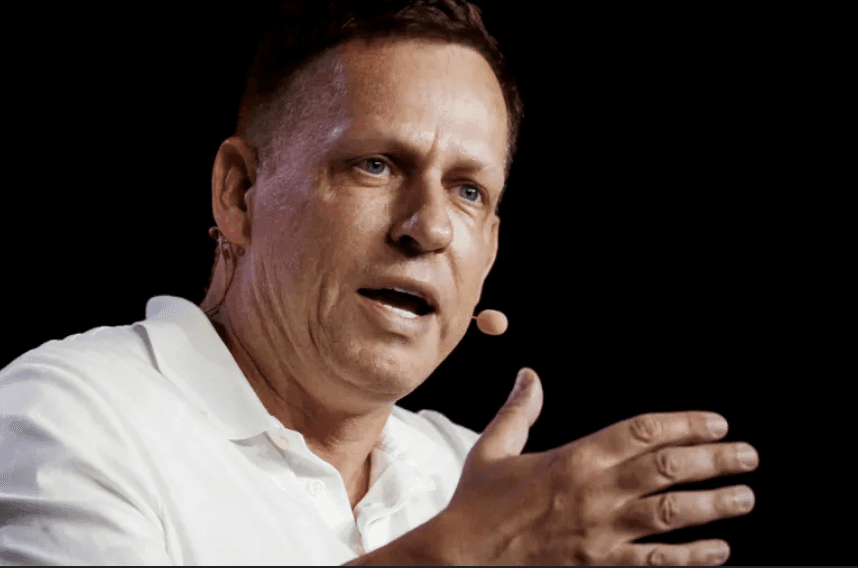
Jeffery Epstein Photo by: google
In a world where power and money often intertwine with the darkest sides of human nature, the latest Epstein files serve as a chilling reminder of how easily centralized systems can be infiltrated and manipulated. Released by the U.S. Justice Department last week, these documents peel back the curtain on Jeffrey Epstein's deep involvement in the early days of cryptocurrency, investments that highlight the vulnerabilities of systems reliant on flawed individuals.
But amid the scandal, there's a silver lining: it underscores why open-source, decentralized money like Bitcoin isn't just innovative, it's essential to building a financial future immune to corruption.
Epstein, the convicted sex offender whose web of influence snared politicians, billionaires, and tech moguls, didn't shy away from the nascent crypto scene. Back in 2014, he funneled $3 million into Coinbase, then a fledgling exchange worth about $400 million. This wasn't a casual dip; Epstein routed the funds through his U.S. Virgin Islands entity, IGO Company LLC, and even consulted LinkedIn co-founder Reid Hoffman for advice. Hoffman, untainted by Epstein's crimes, reportedly offered insights over dinners, illustrating how Epstein exploited elite networks post his 2008 conviction.
The ties run deeper. Epstein also sank $500,000 into Blockstream, a pivotal Bitcoin development firm working on network scalability. Blockstream's CEO, Adam Back, a cypherpunk icon linked to Satoshi Nakamoto's inspirations, has denied any personal closeness. Yet, the files reveal Epstein extended invitations to Back and co-founder Austin Hill to his notorious private island following the investment. Even more telling, a 2016 email from Hill urged Epstein to dump holdings in rivals like Ripple (XRP) and Stellar (XLM), framing them as threats to Blockstream's Bitcoin-centric vision.
Epstein's fingerprints extend further. Emails show him pestering investor Jason Calacanis for intros to "the bit coin guys," and by 2016, he was hyping a Sharia-compliant digital currency while claiming chats with "founders of Bitcoin" a vague boast that adds to the intrigue. Connections to Brock Pierce, the crypto entrepreneur and former child actor, facilitated deals, and Epstein even funneled donations to Bitcoin-related projects at MIT's Media Lab. There's even mention of his role in "saving" Bitcoin during internal crises, like funding developers amid governance disputes.
These disclosures aren't just salacious gossip, they expose a fundamental flaw in any system built on human trust. Epstein, a master manipulator, infiltrated centralized entities like startups and exchanges, where decisions rest in the hands of a few. Even post-conviction, his money flowed freely, potentially shaping the industry's trajectory. Coinbase, now a behemoth, downplays the stake as minuscule (under 1%) and pre-dating modern compliance. Blockstream insists no lasting links. But the point is clear: when power concentrates, corruption follows. People, no matter how brilliant, can be bought, coerced, or compromised.
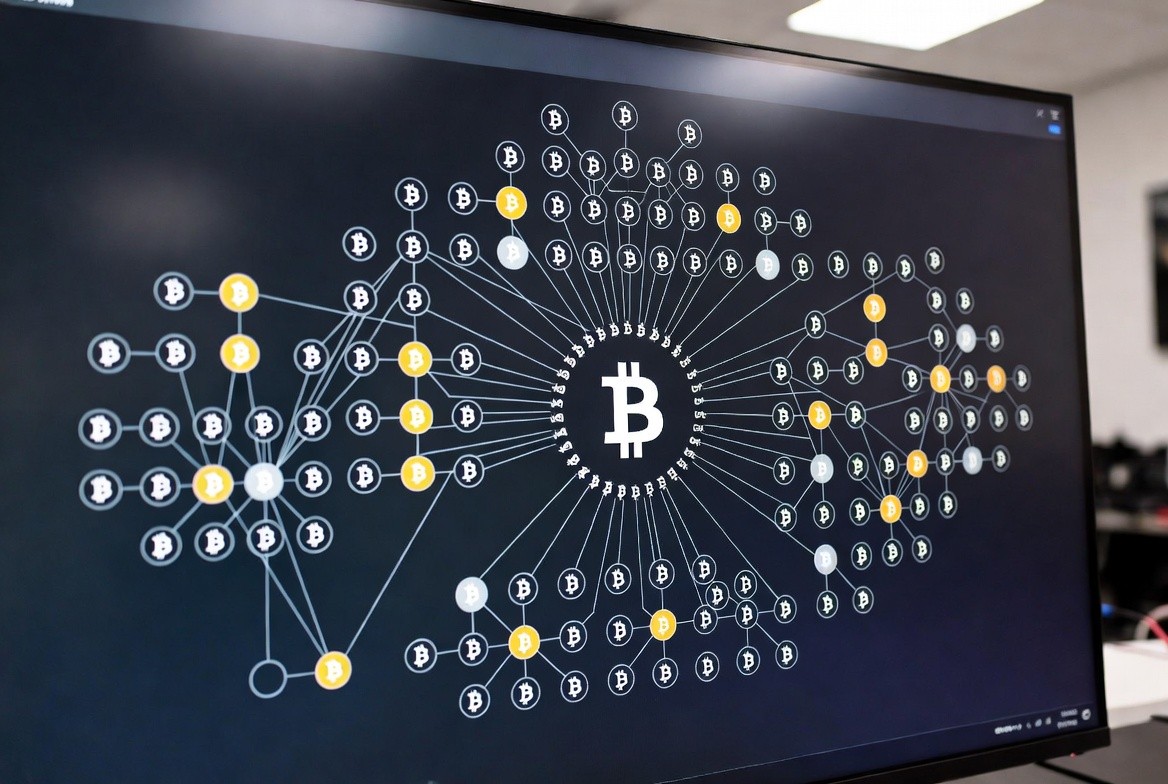
This is where Bitcoin shines as the ultimate countermeasure. Unlike traditional finance or even early crypto ventures beholden to investors, Bitcoin is open-source and truly decentralized. No single entity controls it, no CEO to invite to an island, no board to sway with shady funds. Its code is public, verifiable by anyone, and changes require global consensus from a network of independent nodes.
Satoshi Nakamoto's vision was precisely this: money free from the whims of corruptible humans, governments, or financiers.
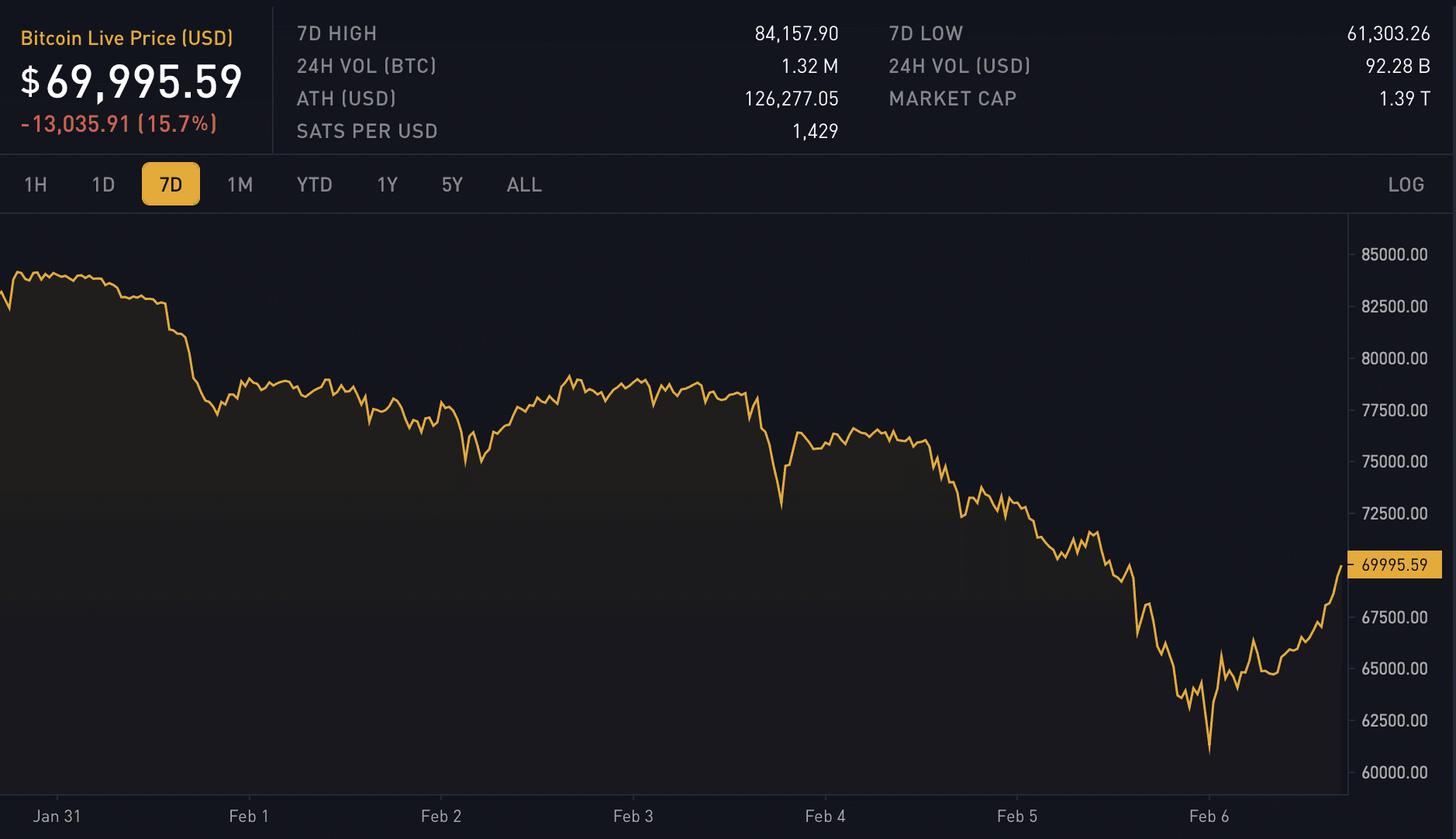
In today's volatile market, with Bitcoin dipping to around $73,000 amid selloffs, these revelations couldn't be timelier. They remind us that while humans falter, decentralized protocols endure. As institutions pile into ETFs and nations consider Bitcoin reserves, the push toward true decentralization, layered on Bitcoin's unassailable blockchain, offers a path forward. It's not about erasing the past; it's about building systems that can't be tainted by it.
What does this mean for your Bitcoin holdings? Does it strengthen your faith in decentralization,?