
Insights
Feb 22, 2026
Tianruixiang Holdings Ltd Photo by: google
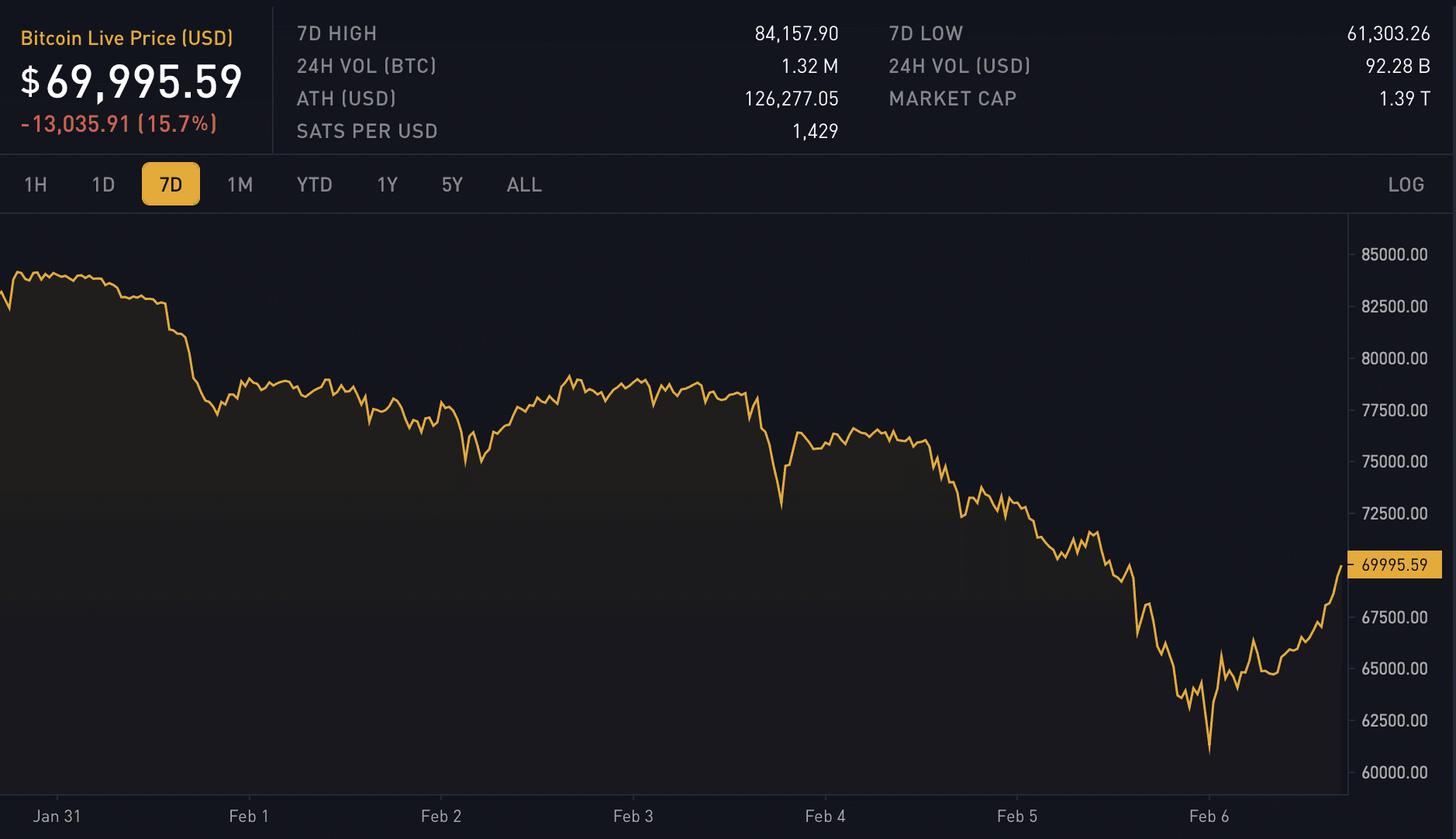
Tianruixiang Holdings Ltd (NASDAQ: TIRX), a Chinese insurance brokerage firm listed on Nasdaq, has unveiled a landmark agreement to receive up to 15,000 Bitcoin — worth approximately $1.1 billion at current market prices — in exchange for equity in the company. The arrangement, announced on 4 February, marks one of the largest BTC acquisitions proposed by a publicly traded firm.
The counterparty is described only as a “global strategic investor” with substantial holdings in digital assets. Under the deal, the investor will inject Bitcoin into Tianruixiang through an equity-linked transaction, although specific terms — including the percentage of equity to be issued and the identity of the investor — have not been disclosed.
In addition to acquiring Bitcoin for its corporate treasury, Tianruixiang plans to collaborate with the investor on a joint innovation lab focused on blockchain infrastructure, artificial intelligence tools, decentralised applications, and layer-two technologies. This signals a significant pivot for a company whose core business has been traditional insurance consulting in China.
If executed, the deal would position Tianruixiang among the world’s largest corporate Bitcoin holders — rivalling names such as MicroStrategy and Tesla — despite its small market capitalisation prior to the announcement. Shares in TIRX surged briefly on the news, though trading remains volatile.
The announcement comes amid a broader trend of corporates exploring novel strategies to gain Bitcoin exposure, especially outside of the United States. Instead of direct BTC purchases, firms are increasingly using structured agreements, joint ventures, and balance sheet reallocations to incorporate Bitcoin into long-term strategy.
Tianruixiang has not yet clarified how the Bitcoin will be custodied, nor how it plans to manage compliance given regulatory complexities in both the US and China. Nonetheless, the agreement points to continued east-west interest in Bitcoin as a treasury reserve asset and a foundational layer for future digital infrastructure.