Insights
Feb 22, 2026
Is Bitcoin life? Photo by: Dergigi
When Bitcoin writer Gigi published Proof of Life in 2019, the world was already deeply digital but still largely anchored in analogue assumptions. Artificial intelligence was advancing, but it had not yet entered daily life at scale. Central bank balance sheets were expanding, but not with the urgency that would follow a global pandemic. At the time, Gigi’s essay read as a philosophical reflection on Bitcoin’s nature. In hindsight, it now reads as a framework for understanding what it means for something to be alive in an increasingly synthetic world.
The core argument of Proof of Life is deceptively simple. Life leaves evidence. It consumes energy, maintains order against entropy, adapts to its environment, and persists without central direction. Gigi applies this lens to Bitcoin and concludes that it exhibits these traits more clearly than many systems we casually accept as real. Bitcoin expends energy through proof-of-work, resists control through decentralisation, adapts through open-source development, and survives because individuals choose to participate. It does not require belief, permission, or narrative enforcement. It simply continues.
In 2019, this framing stood in contrast to a financial system that increasingly relied on trust in institutions, opaque monetary policy, and abstract representations of value. Today, it stands in contrast to something even broader: the rapid emergence of digital systems that appear intelligent, autonomous, and increasingly lifelike, yet remain fundamentally detached from physical constraint.
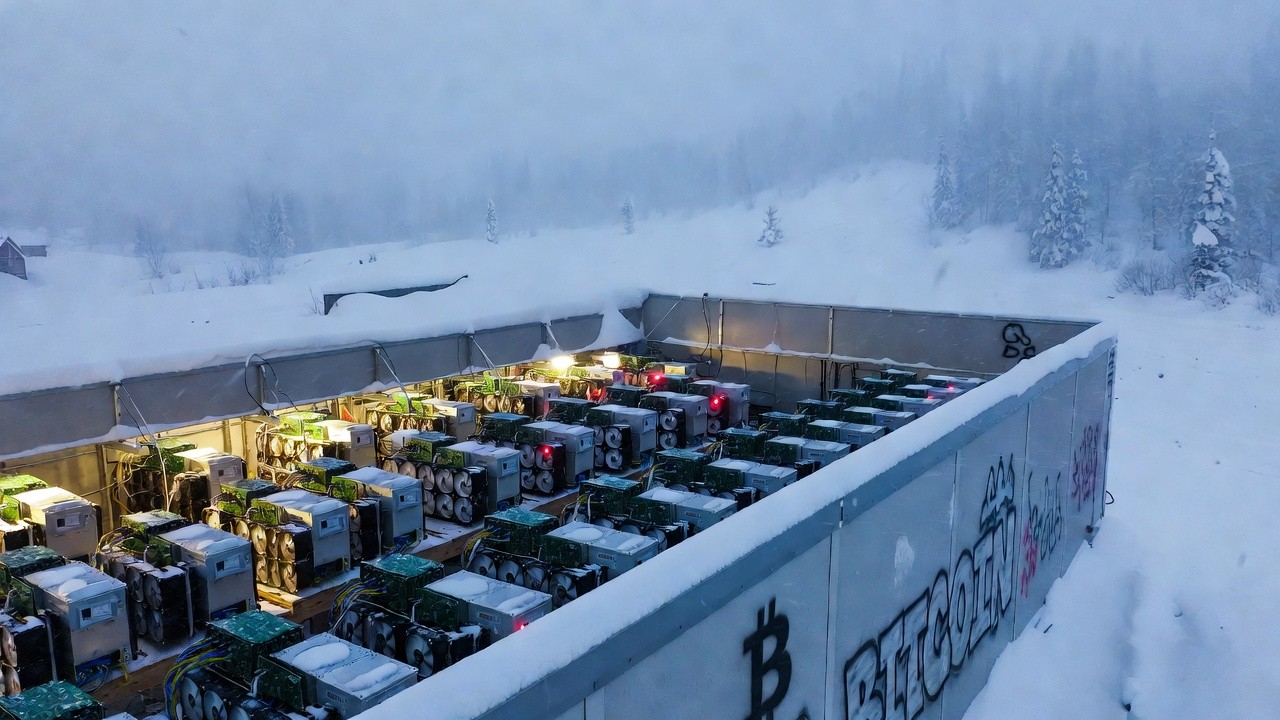
Bitcoin’s relevance in this context is sharper than ever. Unlike artificial intelligence models, which simulate understanding by recombining data, Bitcoin anchors itself in reality. Every block requires real-world energy. Every transaction reflects a human choice to exchange value. Every node represents an individual opting to verify rather than outsource trust. These properties are not incidental. They are the reason Bitcoin behaves less like a digital illusion and more like a digital organism.
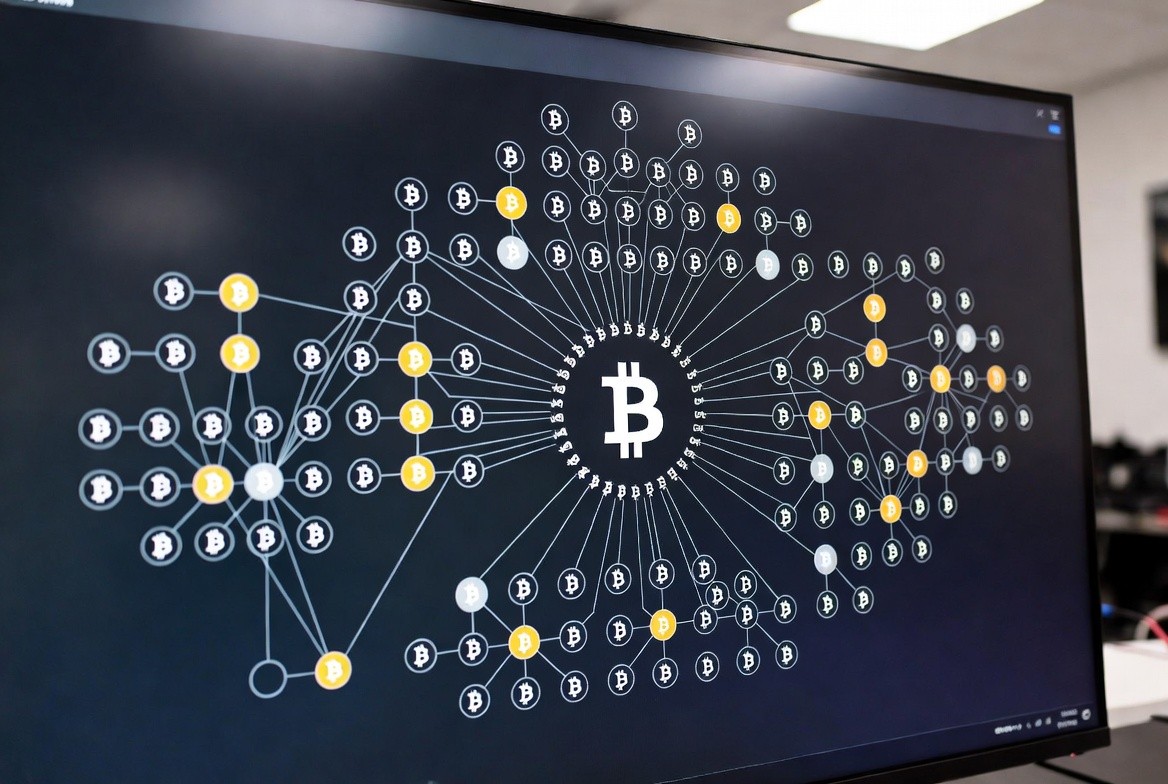
Gigi’s essay pushes back against the idea that Bitcoin is “just code”. Code alone does not live. Code does not persist in hostile environments unless it is continuously enacted. Bitcoin exists because thousands of independent actors run it, maintain it, and defend it, often at personal cost. This voluntary participation is central to the argument. There is no authority compelling Bitcoin’s survival. There is no central entity ensuring its continuity. Like life itself, it persists because it is useful, resilient, and adaptable.
This distinction becomes clearer as artificial intelligence systems grow more capable. AI can generate language, images, and strategies. It can mimic creativity and reasoning. But it does not bear cost. It does not take risk. It does not exist independently of the infrastructure and incentives that sustain it. Bitcoin, by contrast, internalises cost at the protocol level. Proof-of-work ensures that history cannot be rewritten without expending real resources. Scarcity is enforced not by policy, but by physics.
From a monetary perspective, this matters profoundly. Modern fiat systems increasingly operate through abstraction. Money is created digitally, guided by policy objectives rather than physical limitation. While this flexibility can stabilise markets in the short term, it also weakens the link between money and reality. Gigi’s Proof of Life implicitly argues that sound money must be grounded, not merely agreed upon. Bitcoin’s fixed supply, transparent rules, and energy-backed issuance restore that grounding.
The essay also highlights Bitcoin’s relationship with truth. In complex systems, truth is often mediated by authority. Official statistics, policy statements, and institutional narratives shape perception. Bitcoin operates differently. Its rules are explicit. Its outcomes are verifiable. Either a block is valid or it is not. Either the supply schedule is followed or it is not. There is no interpretive layer required. In a world increasingly shaped by generated content and probabilistic outputs, this determinism is a feature, not a limitation.
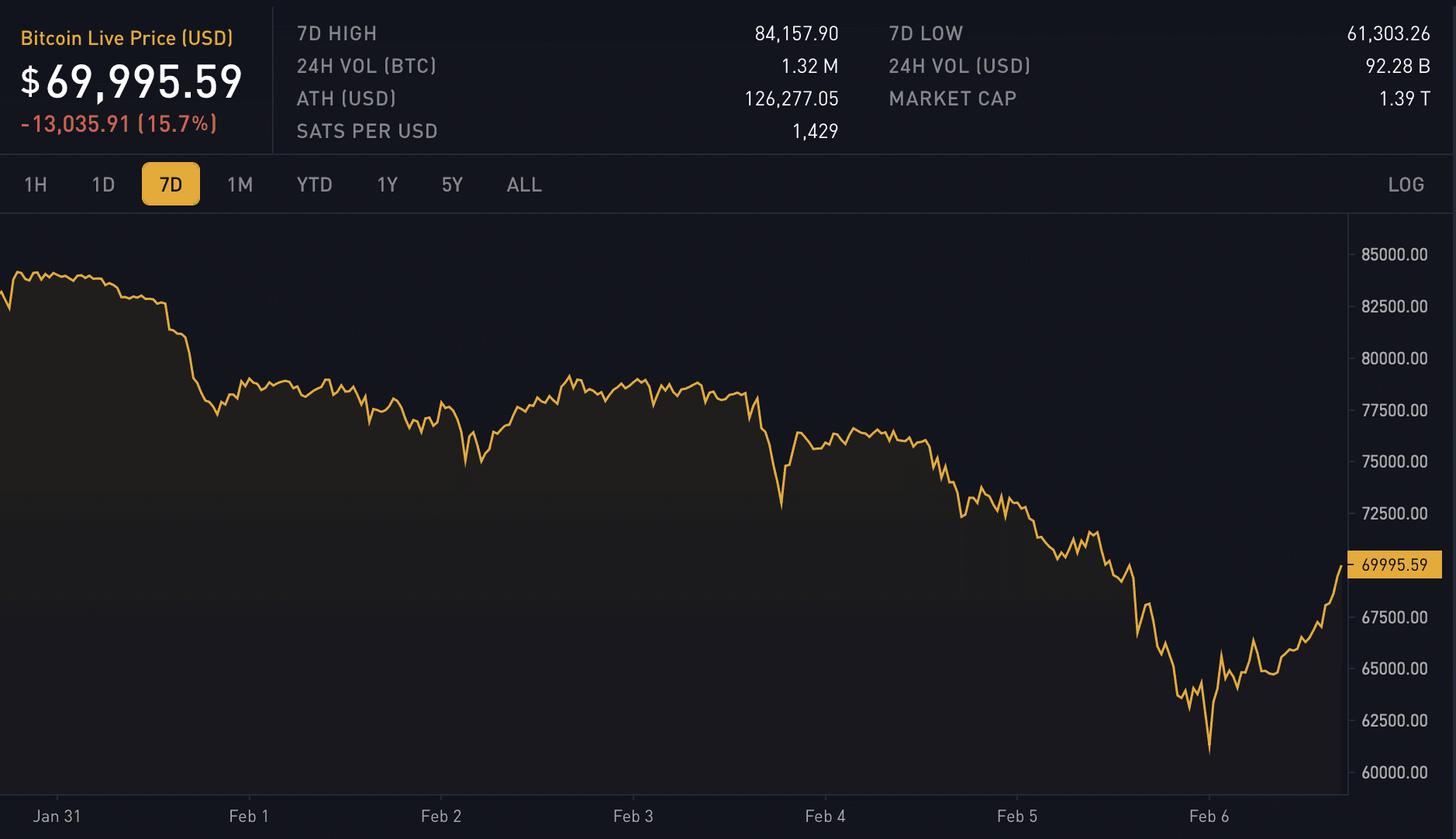
This helps explain why Bitcoin continues to attract committed participants despite volatility, regulatory pressure, and repeated declarations of its demise. Bitcoin does not promise comfort. It demands responsibility. Private key ownership is unforgiving. Verification requires effort. Mistakes are final. These characteristics mirror life more than convenience-oriented digital platforms. They reward long-term thinking, discipline, and self-sovereignty.
Since 2019, Bitcoin has endured significant stress tests. A global pandemic, unprecedented monetary expansion, rising geopolitical fragmentation, and rapid technological change have all challenged existing systems. Through it all, Bitcoin has continued to produce blocks, settle transactions, and operate without interruption. This persistence strengthens Gigi’s original thesis. Bitcoin does not survive because it is protected. It survives because it is decentralised, costly to attack, and aligned with human incentives.
The emergence of AI further sharpens the contrast. As digital entities become more convincing, the question of what is real becomes harder to answer. Bitcoin offers a simple criterion. Reality is what resists manipulation, what incurs cost, what cannot be faked without consequence. In this sense, Bitcoin may be one of the most honest digital systems ever created. It does not pretend to think. It does not simulate understanding. It enforces rules and reflects human action.
Proof of Life ultimately invites observation rather than belief. It asks readers to look at what Bitcoin does, not what people say about it. It consumes energy. It coordinates strangers. It resists control. It adapts. It persists. In an era where digital systems increasingly blur the line between simulation and substance, Bitcoin stands out precisely because it is grounded.
As the digital world expands to include new forms of artificial agency, Bitcoin’s role as a digitally native yet physically anchored system becomes more important, not less. Whether or not it reshapes global finance entirely remains an open question. What is no longer in doubt is that Bitcoin exhibits the traits of a living system in a way few other digital constructs do. That insight, first articulated in 2019, feels more relevant today than ever.