
Insights
Feb 22, 2026
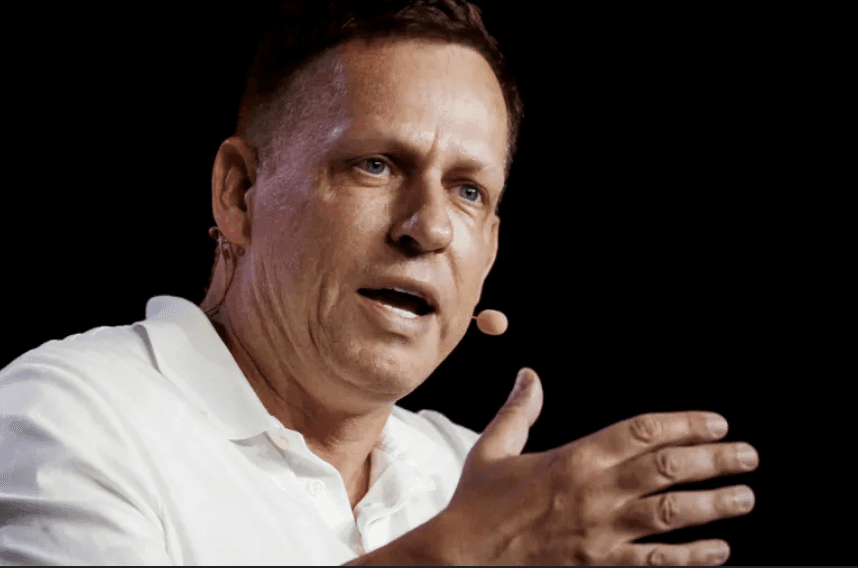
Peter Thiel Photo by: MS Now
Technology investor Peter Thiel and defence technology entrepreneur Palmer Luckey have reportedly launched a $4 billion startup centred on integrating Bitcoin within a regulated US banking structure. According to reports, the venture operates with a charter from the Office of the Comptroller of the
Currency, placing it under federal banking supervision. An OCC charter allows institutions to function as nationally regulated banks, providing a formal framework for custody, lending, and payment services. Incorporating Bitcoin into such a structure would mark a significant step in bridging decentralised monetary networks with traditional banking infrastructure.
While full operational details have not yet been disclosed, the company is expected to embed Bitcoin into its treasury, custody, or payment systems rather than treat it as a peripheral asset. That positioning differentiates it from earlier fintech experiments, which often offered crypto exposure without integrating it into core balance sheet strategy. The launch comes amid renewed institutional confidence in digital assets.
Analysts at JPMorgan Chase have recently pointed to improving regulatory clarity and expanding infrastructure as factors that could support broader crypto market growth into 2026. Increased institutional participation, alongside the maturation of custody and settlement services, has strengthened the case for Bitcoin’s role within mainstream finance.
Thiel has long been publicly supportive of Bitcoin, describing it as a hedge against monetary instability. Luckey, best known for founding Oculus and later Anduril Industries, brings defence-sector credibility and operational scale. Their combined involvement signals that high-profile technology figures continue to see strategic value in Bitcoin’s integration with regulated financial systems. If confirmed and executed at scale, the venture would represent another milestone in Bitcoin’s institutionalisation. Rather than existing solely on exchanges, Bitcoin would operate within a federally supervised banking entity, reinforcing its gradual absorption into global financial architecture.