Insights
Feb 22, 2026
South Africa’s Retail Sector Opens to Bitcoin Payments Photo by: Cryptones
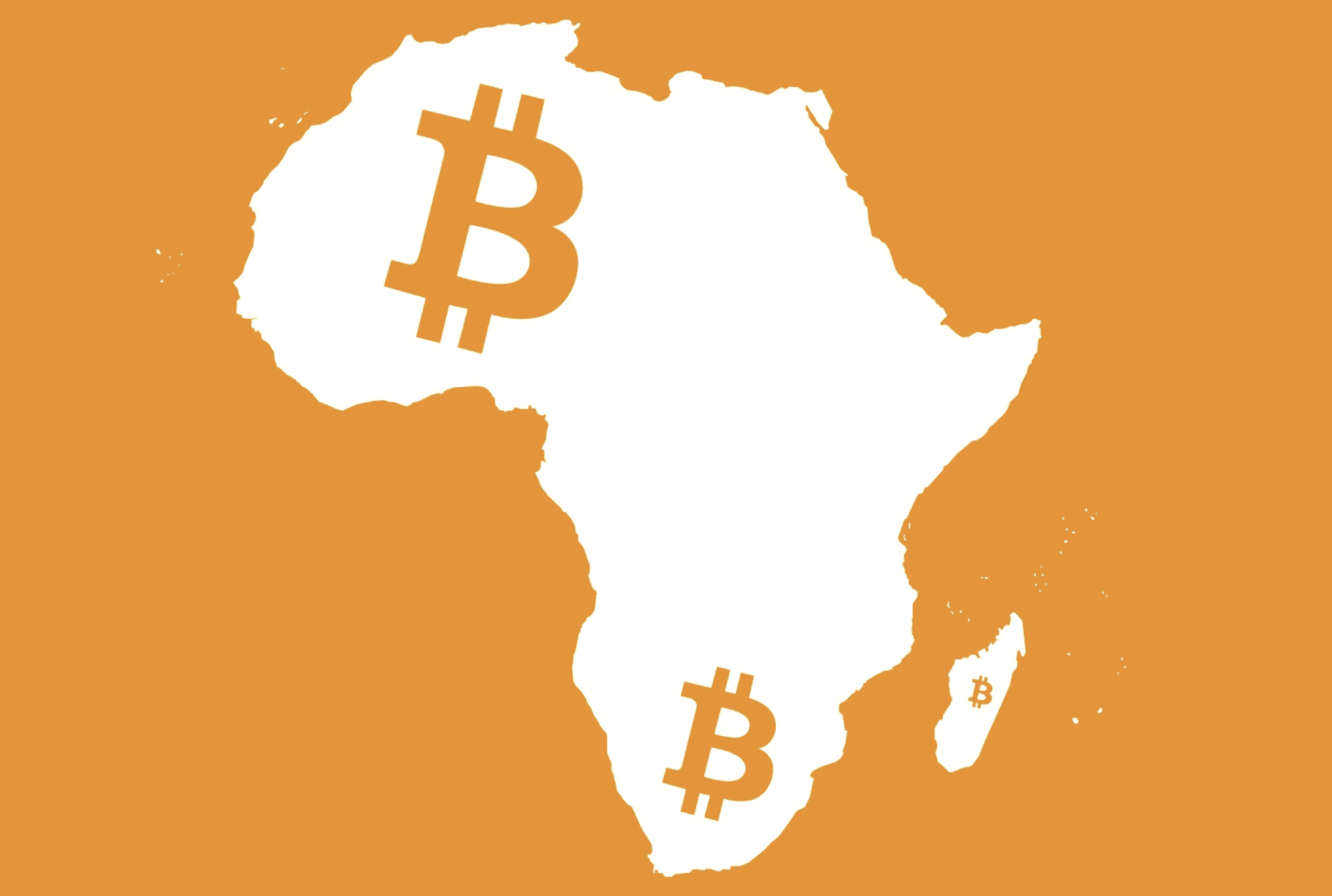
A growing number of reports indicate that South Africa has achieved a major expansion in cryptocurrency payment infrastructure, with between 650,000 and 700,000 merchant outlets now reportedly accepting crypto payments for goods and services.
The rollout hinges on a collaboration between Scan to Pay, which already operates a large QR‑code based retail payment network, and fintech partner MoneyBadger (and by extension Luno’s merchant network). According to a report, MoneyBadger says users can now pay at over 650,000 Scan to Pay merchants directly from their exchange accounts on platforms such as Luno, Binance, VALR or Blink, with the merchant receiving settlement in South African rand.
Another source, a Finextra press‑release, states that Luno Pay now spans “nearly 700,000 merchants” – combining Scan to Pay’s ~650,000 outlets with Luno’s 30,000‑strong existing base.
A key element of the offering is that the user pays in Bitcoin (including other Crypto's) but the merchant receives fiat, thereby eliminating the need for the merchant to make technical changes or hold crypto themselves.
As Theo Koma of Scan to Pay put it: “By removing the conversion step, we’re making it possible for people to use their cryptocurrency holdings directly.”
For the Bitcoin ecosystem, this development is notable. The shift positions Bitcoin more as money to spend, rather than simply a store of value. MoneyBadger’s CEO Carel van Wyk remarked: “Bitcoin was never meant to sit idle. It’s working money.”
That said, the figures quoted should be treated with caution. The range (650,000‑700,000 merchants) reflects different sources and varying definitions of “merchant” and “active acceptance”. Some reports reference “enabled merchants” rather than “actively using” outlets. Moreover, while the integration is live, data on transaction volumes, user uptake, and velocity remain limited in the public domain.
In conclusion, South Africa appears to be making a meaningful stride in integrating Bitcoin and other cryptocurrencies into everyday commerce. If momentum continues, the model may serve as a blueprint for wider adoption in mobile‑first, underbanked markets globally.