

Insights
Feb 22, 2026
Kazakhstan Floats Crypto Reserve Fund Amid Global Monetary Shifts Photo by: GPT
Speaking at a government meeting this week, Kazakhstan’s President Kassym-Jomart Tokayev proposed the creation of a national crypto reserve fund. The idea is to channel profits from the country’s crypto mining industry into a sovereign pool that could help strengthen state finances.
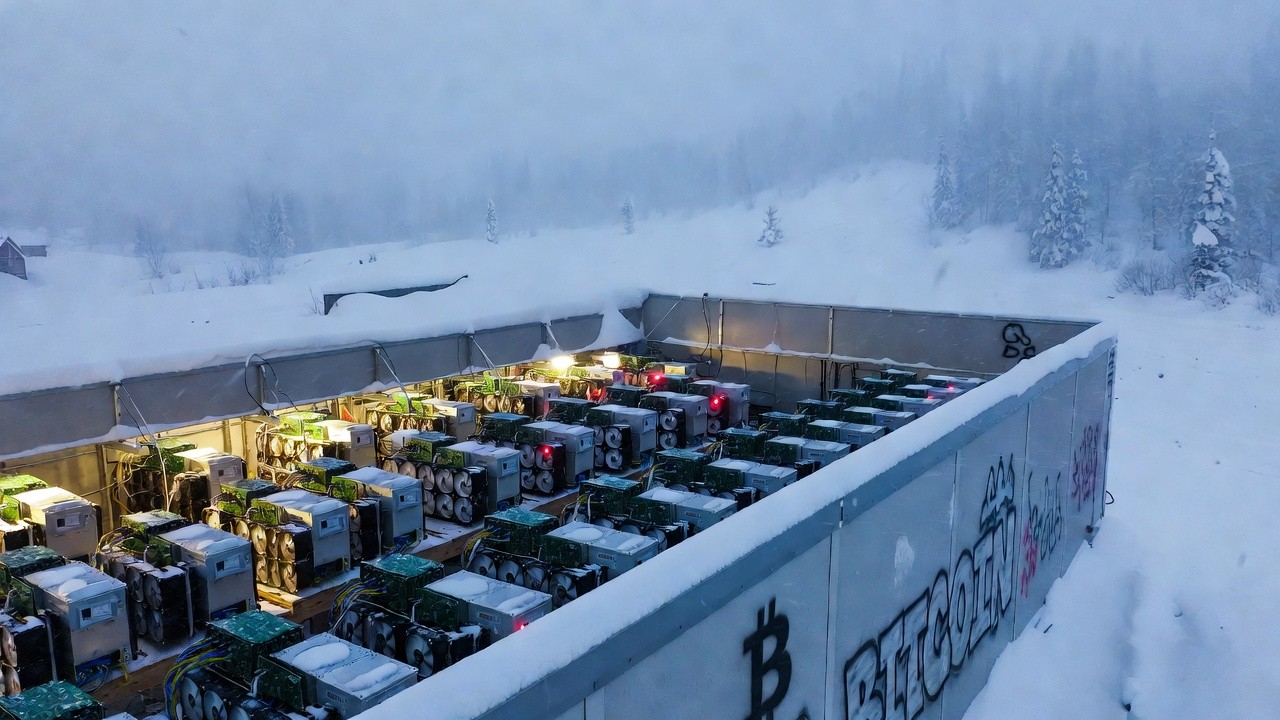
Kazakhstan has become one of the world’s leading hubs for Bitcoin mining, thanks to cheap energy and favorable regulation. But the industry has also strained the power grid and sparked debates about long-term sustainability. By capturing some of that wealth into a state-managed reserve, Tokayev hopes to convert volatile private profits into a stabilizing national asset.
This move reflects a larger global pattern: countries looking for ways to anchor themselves in the shifting digital economy. Unlike most “crypto tokens,” Bitcoin mining generates a commodity-like stream of revenue that governments increasingly view as worth harnessing. For Kazakhstan, the fund could serve as both a cushion against energy shocks and a bridge into the emerging digital financial order.
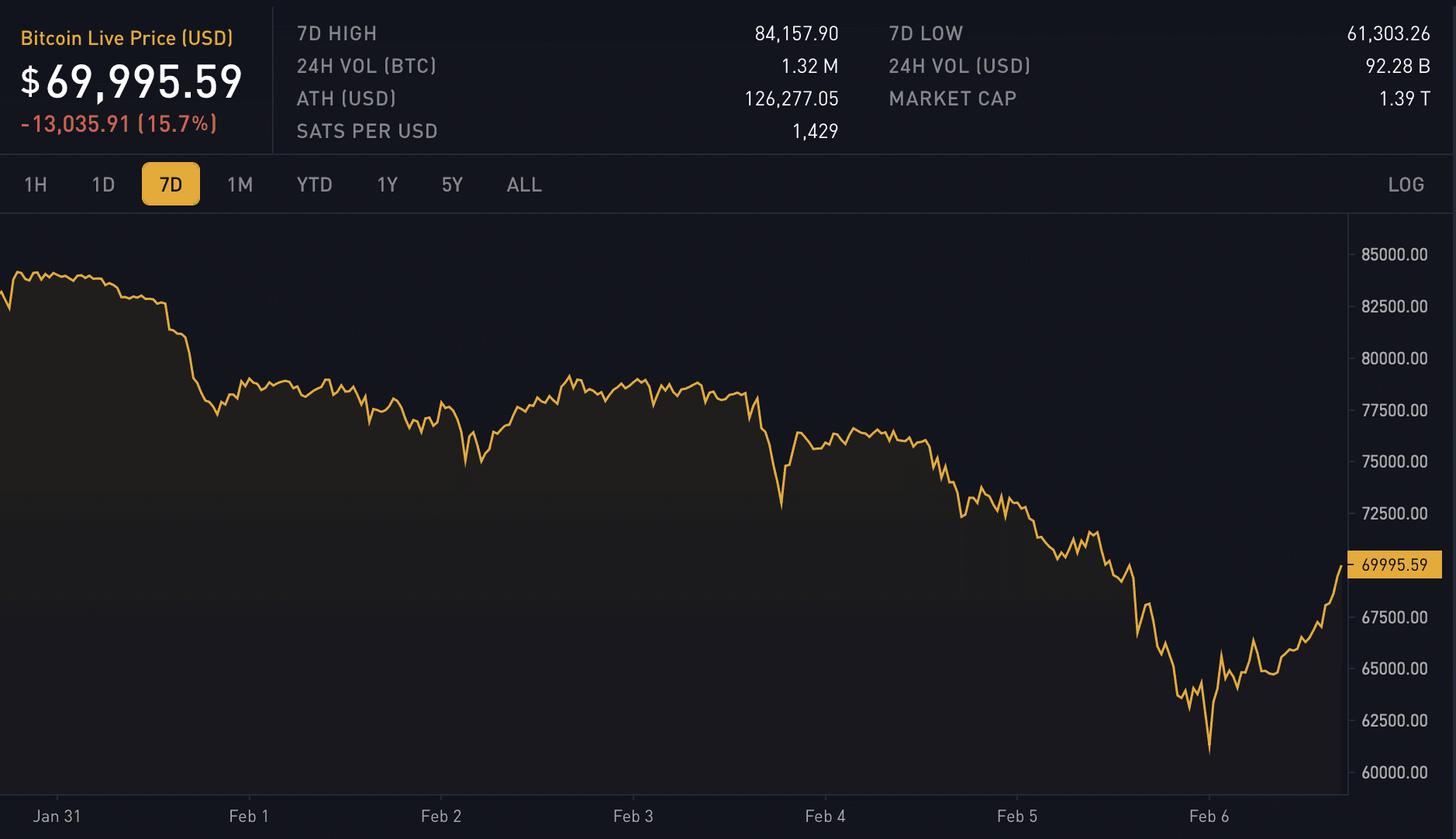
The underlying question is whether such reserves, tied partly to assets like Bitcoin, can really provide stability — or whether they pull governments into the same volatility they’re trying to guard against. Either way, it shows how deeply Bitcoin’s presence is reshaping not just personal finance, but national policy.