Insights
Feb 22, 2026
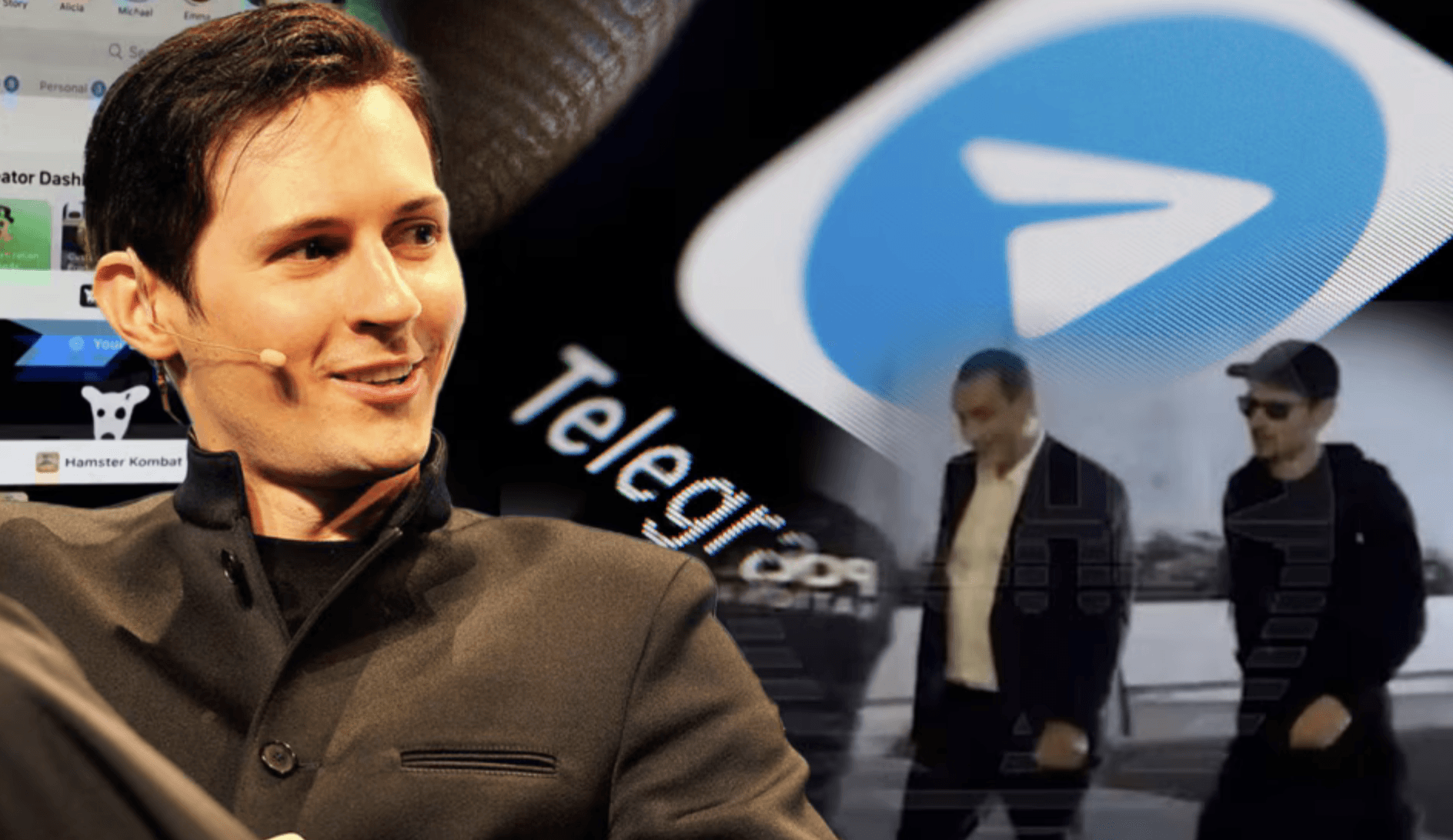
How Bitcoin Helped Pavel Durov Stay Sovereign Photo by: Rferl
On a recent episode of the Lex Fridman Podcast, Pavel Durov — the elusive founder of Telegram and VKontakte — revealed that Bitcoin, not his companies, has funded his lifestyle for over a decade. While others cashed out or panicked during price crashes, Durov held his ground. More than a financial decision, it was a philosophical one: a quiet refusal to let the system box him in again.
“I’m not going to sell it. I believe in this thing,” he told Fridman. “I think this is the way money should work. Nobody can confiscate your Bitcoin from you. Nobody can censor you for political reasons.”
Durov’s journey with Bitcoin began in 2013, when he bought several thousand coins at around $700 each — an investment of a few million dollars. Months later, the price collapsed to under $200. Most would have sold. He didn’t.
That kind of conviction isn’t theoretical for someone like Durov. He was born in the Soviet Union, built Russia’s largest social network (VKontakte), and was forced out in 2014 after resisting Kremlin demands to hand over protester data. He left Russia, built Telegram in exile, and has since become a symbol of resistance to government overreach — but at great personal cost.
Telegram, by his own admission, hasn’t made him money. He calls it a “money-losing operation,” run not for profit but for principle. It’s one of the last major platforms that hasn’t been absorbed by advertising giants or coerced into compliance. It's no accident that dissidents, journalists, and organizers around the world continue to rely on it. But building something that defies power often puts you in its crosshairs.
And earlier this decade, it did again.
From late August 2024 until March 2025, Durov wasn’t imprisoned, but remained under judicial supervision in France — unable to leave the country, required to post bail, and obliged to report to police regularly. In practice, he was “held in France” for seven months, until a judge finally granted him temporary permission to travel abroad.
The exact reasons for this legal limbo have never been made fully public. But the incident underscored something Bitcoiners have warned about for years: if your freedom depends on the approval of courts, governments, or banks, then it isn’t really freedom at all.
Had Durov’s wealth been tied up in traditional accounts, the situation might have looked very different. Assets can be frozen. Accounts can be surveilled. Economic pressure can be applied without trial or due process. But Bitcoin — as long as you hold your keys — remains out of reach.
“Bitcoin is something that allowed me to stay afloat,” Durov said, speaking not like a speculator, but like someone who’s lived through what financial control actually looks like.
He didn’t stop there. He pointed to central banks' ongoing money printing and predicted that Bitcoin could one day reach $1 million — not because of hype, but because fiat is gradually undermining itself. “Nobody’s printing Bitcoin,” he said. Its capped supply and predictable issuance stand in stark contrast to the monetary chaos we’ve grown numb to.
Then came a closing note of clarity:
“Bitcoin is here to stay. All the fiat currencies remain to be seen.”
There’s a reason that line hits hard. It speaks not just to money, but to trust. To permanence. To the desire — and the right — to build something that won’t be taken from you.
Durov could have cashed out long ago. He didn’t. He held. Not just his coins, but his belief in a freer financial system — one not governed by gatekeepers or dictated by borders. That choice didn’t make him rich in the Silicon Valley sense. It made him resilient.
And in a world where the ground keeps shifting, maybe that’s the only real wealth worth having.