Insights
Feb 22, 2026
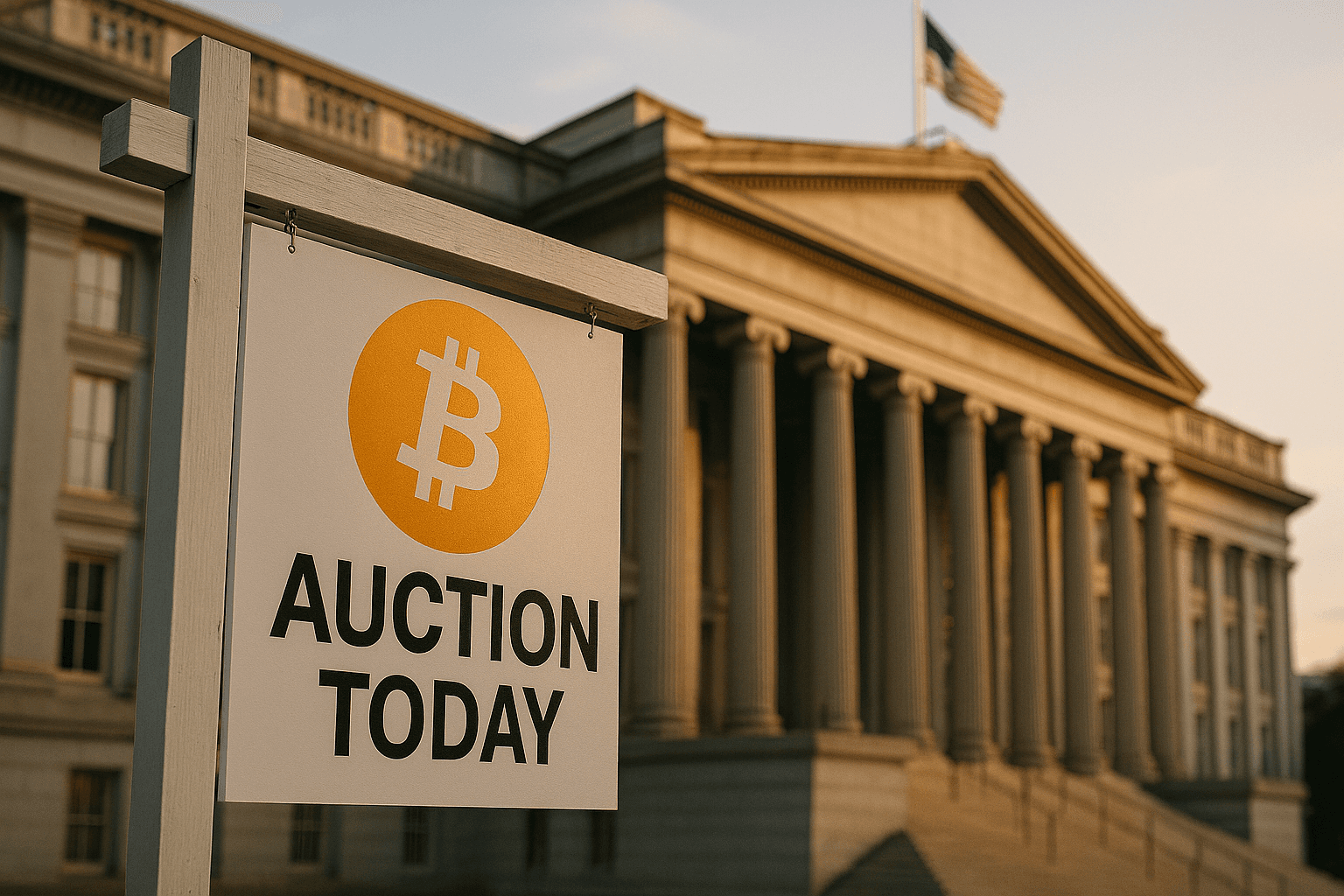
Has the U.S. Government Been One of Bitcoin’s Biggest Sellers? Photo by: Midjourney
In September 2025, a report published on The Rage (source) detailed the results of a Freedom of Information Act (FOIA) request submitted in early 2023. The request sought records from the U.S. Marshals Service (USMS) regarding every Bitcoin transaction the agency had conducted since 2013 — including seizures, sales, and transfers.
After more than a year, the USMS responded with a spreadsheet listing 195 transactions totaling over 195,000 BTC. This is the first time the public has received a complete government-confirmed dataset of its Bitcoin dealings. While some of these sales — like the famous Silk Road auctions — were publicized, others were not. Several large transfers were made to unnamed entities or through exchanges, often without public disclosure. In some cases, Bitcoin was sold well below market price. For example, in October 2014, the government sold 29,657 BTC for just $11.2 million — around $388 per coin.
The report raises important questions.
First, transparency. Bitcoin is often criticized for being opaque, yet here we see government actions involving digital assets that were themselves hidden from public view until compelled by FOIA.
Second, stewardship. As a bearer asset — meaning control belongs to whoever holds the private keys — Bitcoin requires careful handling. Offloading hundreds of thousands of BTC at a fraction of today’s value (now totaling over $8 billion USD) suggests a fundamental misreading of its long-term potential.
But the most striking insight is historical. The U.S. government has been one of Bitcoin’s largest — and most consistent — sellers. In doing so, it inadvertently played a key role in distributing Bitcoin more broadly. Coins that once sat in darknet markets or criminal wallets were absorbed into state custody, then redistributed via auctions and sales into the hands of individuals, funds, and institutions.
This quiet redistribution helped legitimize Bitcoin. Even if unintentionally, each government sale sent a signal: this asset has value, and someone is willing to pay for it.
There’s a deeper irony here. The same state that, at times, has cast Bitcoin as a tool for crime has also treated it as a liquid asset — managing it, selling it, and participating in its economy. The government may not fully grasp what it’s handling, but it is handling it nonetheless.
As Bitcoin matures, this tension between skepticism and participation will likely grow. The FOIA documents are a reminder: governments are no longer just regulators of Bitcoin — they are stakeholders, too.
Whether they continue to sell, or begin to hold, remains an open question.
But what’s clear is this: Bitcoin isn’t just surviving under state scrutiny — it’s circulating through it.