
Insights
Feb 22, 2026
Ghana Moves to Regulate Crypto — But Who Will the Law Serve? Photo by: News Ghana
Ghana Moves to Regulate Crypto — But Who Will the Law Serve?
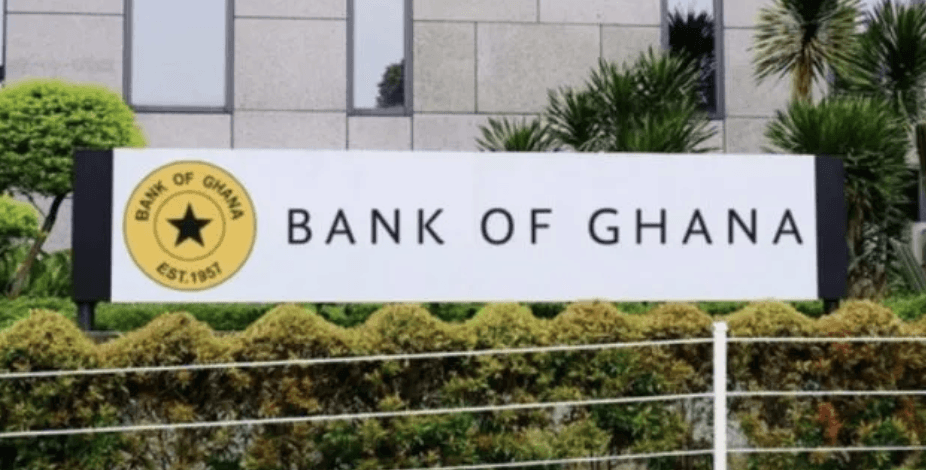
In late September 2025, the Bank of Ghana (BoG) announced it had finalized a bill to regulate digital assets — including cryptocurrencies — and submitted it to Parliament for review. This marks a shift in Ghana’s stance on crypto, from cautious observation to active legal structuring. While the bill’s full text isn’t public yet, its aim is clear: bring digital asset activity under national oversight.
BoG Governor Dr. Ernest Addison framed the bill as part of Ghana’s broader financial modernization, tied to payment systems and innovation. But beneath that policy language lies a more human story. Crypto use is growing not just from curiosity, but necessity. In a country where inflation, capital controls, and limited banking access are everyday concerns, many Ghanaians have turned to digital assets as lifelines — to preserve value, send money, or escape the constraints of a weakening cedi.
So what does this bill mean?
It’s an admission that crypto is here to stay. Ghana, like Nigeria and Kenya, is recognizing the need to address — not ignore — this new layer of finance. But the impact of the bill depends on its spirit. Regulation can empower users, protect against fraud, and foster innovation. Or it can smother the very tools people are using to gain financial footing.
We have to ask: Who is this regulation for? Is it designed to protect everyday users, or to reassert control? If people are using Bitcoin to hedge against devaluation, will the law support that freedom or restrict it?
The timing is also worth noting. Ghana is testing its own central bank digital currency, the e-Cedi. While often grouped together, a CBDC and Bitcoin represent opposing philosophies. The e-Cedi is centralized and surveilled. Bitcoin is decentralized and open. These tools may coexist — but not without friction.
In that sense, this bill is more than legislation. It’s a signal of how the state will treat monetary alternatives. Will it allow citizens room to choose tools like Bitcoin? Or will it narrow the financial path to state-sanctioned rails?
Whatever shape the final law takes, it will matter — not just for regulators, but for the market women, freelancers, and remittance receivers navigating a fragile currency. In Ghana and beyond, the future of money is no longer a single road. It’s a contested terrain.
And how governments respond may determine whether people are empowered to walk it freely — or forced to return to paths that have already failed them.