Insights
Feb 22, 2026
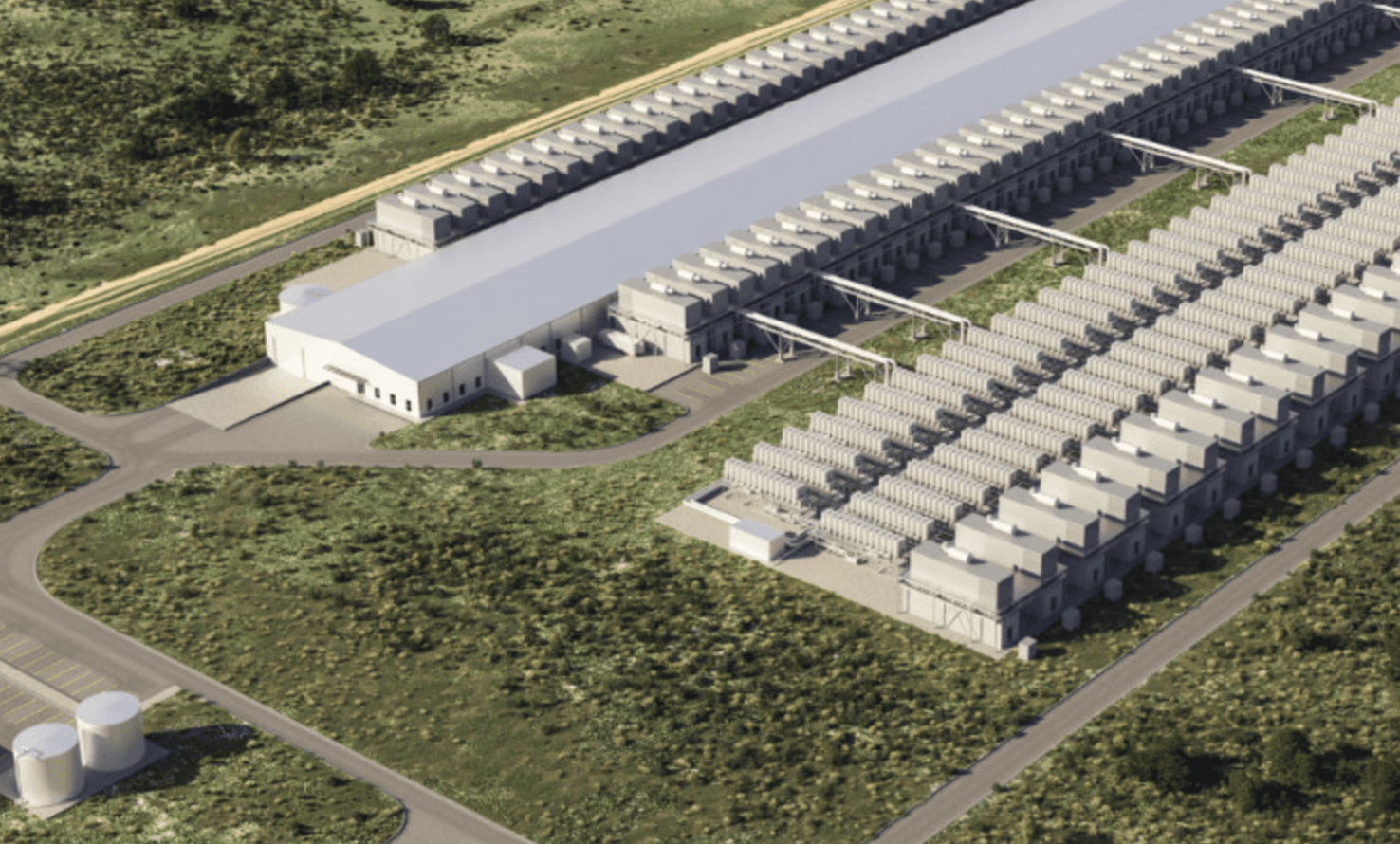
Galaxy Digital to Convert Bitcoin Mining Site into AI Data Centre Photo by: Helios plant in northern Dickens County at https://www.galaxy.com/data-centers
Mike Novogratz’s Galaxy Digital is redirecting its infrastructure strategy from solely Bitcoin mining toward AI and high‑performance computing. The company has raised US$460 million via a share offering to accelerate the conversion of its Helios campus in Dickens County, Texas, formerly used for mining, into a large-scale AI data centre.
Galaxy already secured a US$1.4 billion project financing facility to underwrite about 80 % of the Helios buildout. Under a 15‑year agreement, CoreWeave, an AI cloud infrastructure provider, will utilise 800 MW of the planned capacity. Galaxy intends to lease the remaining 2.7 GW to additional tenants.
The initial phase targets 133 MW of capacity by early 2026, marking a major shift in the use of energy and real estate assets historically dedicated to Bitcoin mining.
Galaxy views this transformation as a way to capture more stable, contractually backed revenue streams and valuation multiples more typical of data centre operators.
Why this matters to Bitcoin and the broader market
1. Strategic repositioning of capital — As mining competition intensifies and margins tighten, crypto infrastructure firms like Galaxy are increasingly seeing AI compute as a more durable business line.
2. Hashrate implications — Diverting energy and infrastructure from mining to AI may reduce the pace of new hashrate additions, potentially supporting better economics for remaining miners.
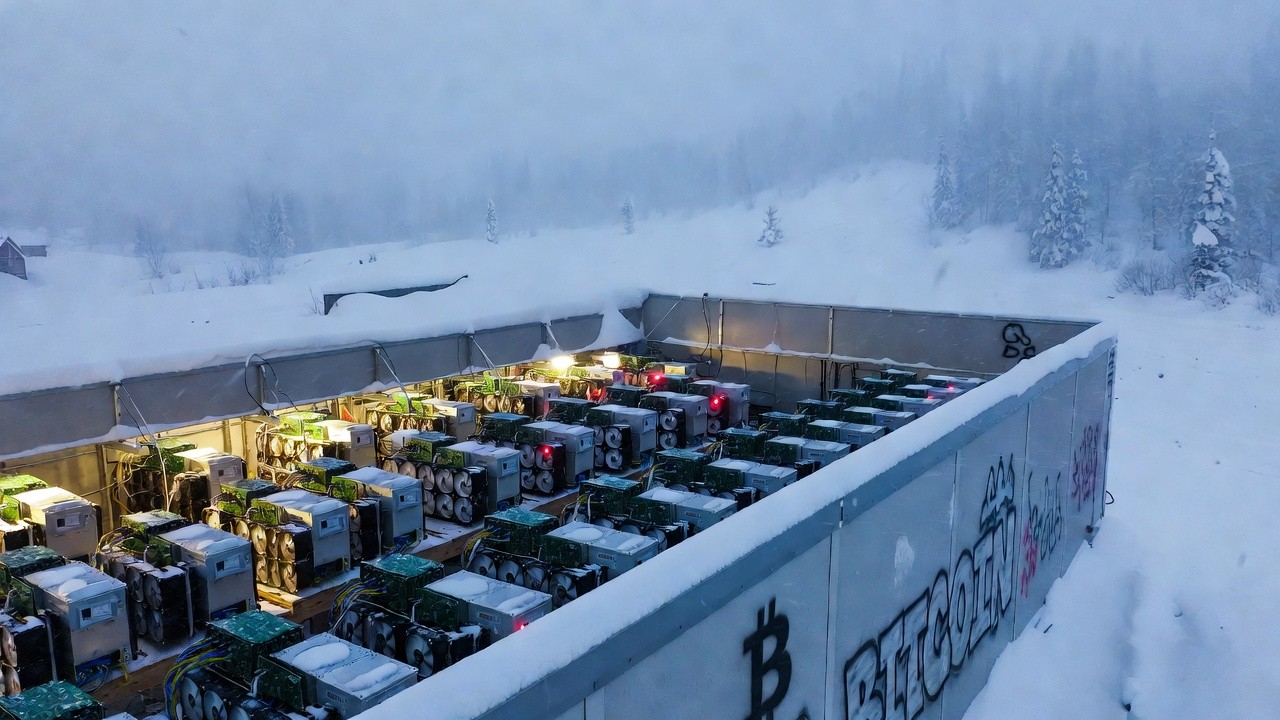
3. Energy arbitrage and stranded capacity — Sites built for mining already possess grid access, cooling, and scale—attributes attractive to AI and HPC customers. Galaxy has explicitly emphasised this overlap.
4. Valuation and capital markets — Data centre operations trade at higher multiples than typical mining firms. By pivoting to AI infrastructure, Galaxy aims to capture that uplift.
Still, the conversion is non‑trivial: mining sites will require upgrades in networking, cooling, redundancy, and physical layout to host GPU clusters. Some mining sites will lack the necessary infrastructure or location attributes.
In sum, Galaxy Digital’s move reflects a broader theme in crypto infrastructure: hybridisation towards compute and data services alongside or instead of pure mining. The success of this transition will depend on execution and the ability to attract reliable AI clients. For Bitcoin, the shift may modestly alter the supply of competitive hashpower and reward miners who remain.