

Insights
Feb 22, 2026
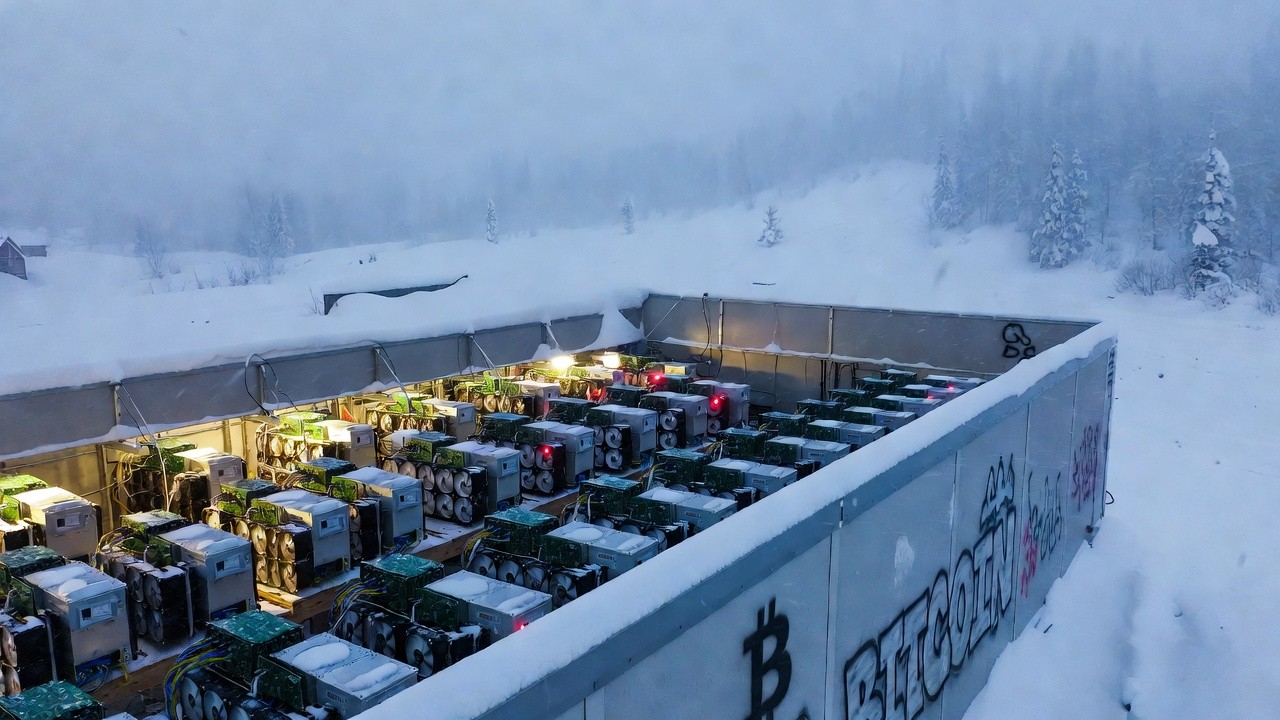
Bitcoin miners Photo by: Bloomberg
China, once the undisputed powerhouse of Bitcoin mining, is quietly re‑emerging as a major global force despite a sweeping crackdown in 2021. According to the latest data from Hashrate Index, by October 2025 China's share of global Bitcoin mining hash‑rate surged to approximately 14 per cent, enough to reclaim third place behind the United States and Russia.
The rebound appears rooted in a combination of economic and infrastructural factors. Reports point to low electricity costs in energy‑rich provinces such as Xinjiang and Sichuan, where surplus capacity in data centres, partly driven by booming AI infrastructure, has created fertile ground for underground mining activity.
At the same time, domestic demand for mining rigs has surged. Manufacturers such as Canaan Inc., a leading producer of Bitcoin‑mining hardware, reportedly saw a sharp rise in Chinese sales — with a significant portion of their global revenue now tied to China's renewed interest in mining.
The resurgence is especially noteworthy because the official ban on crypto mining and trading remains intact. Since 2021, China officially outlawed all crypto mining and related services, citing energy consumption and financial‑stability concerns.
Yet enforcement appears uneven, especially in remote provinces where economic incentives, cheap power and unused infrastructure, outweigh regulatory scrutiny.
For the broader Bitcoin ecosystem, China's resurgence in hash‑rate matters on several fronts. A renewed Chinese contribution increases global hash‑rate decentralization, a positive for network security and geographic distribution. Meanwhile, it suggests a structural shift: miners are adapting to regulatory constraints by operating in a semi‑underground manner, leveraging existing energy infrastructure. If the trend continues, it may influence global mining economics and further stabilise Bitcoin’s long‑term supply issuance.
In sum, China’s return to the Bitcoin‑mining map signals both resilience and subtlety: despite regulatory hostility, economic and infrastructural conditions have allowed mining to re‑emerge in a less visible but still significant form.