Insights
Feb 22, 2026
China Accuses U.S. of Stealing 127,000 Bitcoin in $13 Billion Dispute Photo by: Bitcoin Sistemi
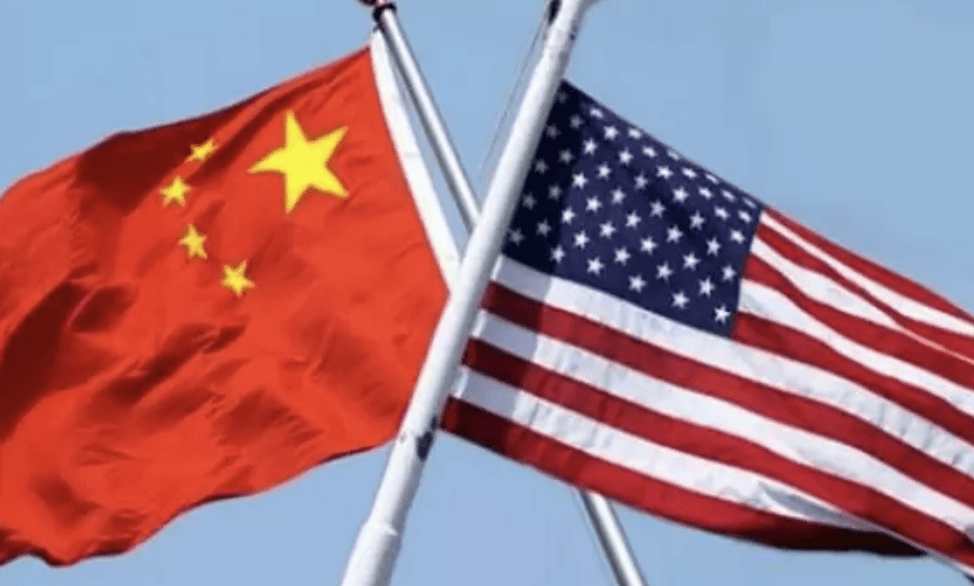
A new flashpoint has emerged in the intersection of Bitcoin, cyber‑security and geopolitics. On 11 November 2025, Beijing’s National Computer Virus Emergency Response Center (CVERC) publicly accused the U.S. government of conducting a state‑level hacking operation that targeted the Chinese mining pool LuBian Mining Pool in December 2020. According to the Chinese agency, roughly 127,000 BTC were stolen in the hack and later ended up under U.S. control.
China’s allegation centres on the suggestion that the U.S. seizure of the bitcoin was not a legitimate forfeiture of criminal proceeds but the appropriation of assets from a sovereign entity’s infrastructure. CVERC argues that the hack was carried out by a “state‑level hacking organisation” and that the subsequent U.S. action gave the appearance of law‑enforcement activity.
On the other side, the U.S. maintains that the bitcoin, specifically a tranche of 127,271 BTC, were lawfully forfeited as part of a criminal case against Chen Zhi (chairman of the Cambodia‑based Prince Holding Group) and his network, accused of fraud, money‑laundering and forced‑labour scams.
Independent blockchain forensics and western reports offer a more nuanced picture. Some analysts contend the original outflow in 2020 from LuBian may have resulted from weak wallet key‑generation or a compromised hot‑wallet, rather than a direct state‑hack.
For the Bitcoin ecosystem the implications are meaningful. A contested pool of over 0.6 % of all bitcoins is now subject to a diplomatic dispute — elevating questions of sovereign digital‑asset control and cross‑border asset enforcement. It may prompt increased scrutiny on government holdings of bitcoin, and the circumstances in which seizures are justified.
Whether China’s claims will lead to formal international legal proceedings remains uncertain. What is clear is the event signals that digital‑asset holdings are no longer purely financial — they are increasingly geopolitically charged.