
Insights
Feb 22, 2026
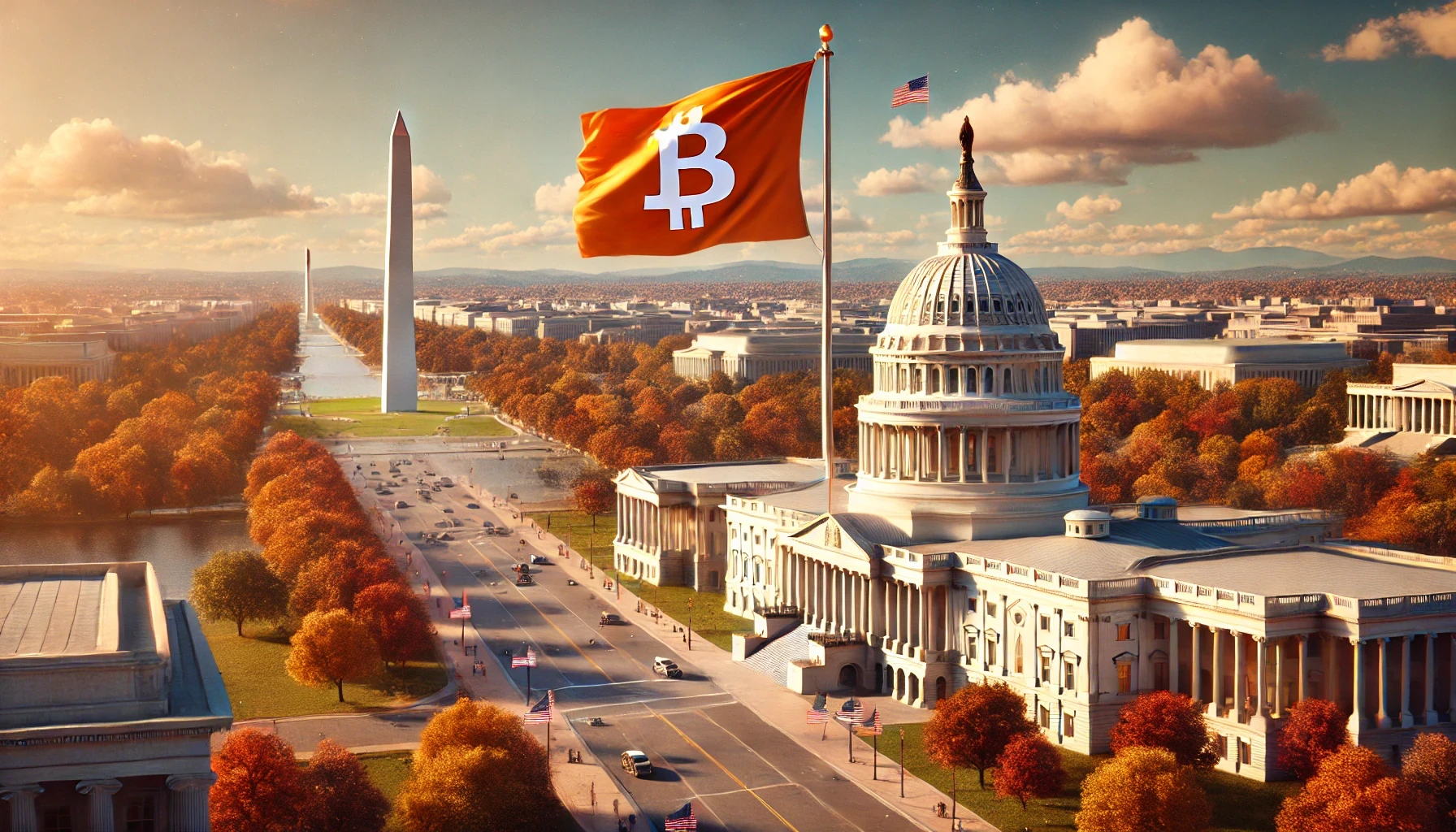
Bitcoin Enters the Room: U.S. Lawmakers Meet to Discuss Strategic Reserve Photo by: DALL-E
On September 16, a closed-door roundtable in Washington, D.C. brought together some of the most prominent names in the Bitcoin industry — Michael Saylor (MicroStrategy), Tom Lee (FundStrat), Fred Thiel (Marathon Digital), and executives from major mining firms like CleanSpark and Bitdeer.
The topic on the table: the BITCOIN Act, a proposed bill that would authorize the U.S. government to establish a Strategic Bitcoin Reserve, aiming to acquire up to 1 million BTC over five years. That’s over $110 billion at current prices.
The meeting was hosted by Senator Cynthia Lummis and Representative Nick Begich, both vocal supporters of Bitcoin in Congress. Their proposal emphasizes “budget neutrality” suggesting that Bitcoin purchases would be funded not by new taxes or deficits, but through surplus tariffs or revaluation of existing Treasury assets like gold certificates.
No legislation has advanced yet, the BITCOIN Act hasn’t had a committee hearing, and this week’s meeting was part of a broader push to build support, identify objections, and shape the proposal before it moves forward.
But even in this early phase, the conversation marks a shift. Bitcoin is no longer just the domain of retail investors or tech entrepreneurs. It’s now being discussed, however cautiously, as a potential national strategic asset.
Skeptics are raising valid concerns: Bitcoin’s volatility, lack of regulatory clarity, and the political optics of putting taxpayer-linked funds into a still-controversial digital asset. Proponents argue that the U.S. risks falling behind as other countries move to accumulate Bitcoin as a hedge against inflation and fiat devaluation.
Whatever happens next, the significance of this moment is clear: the idea of Bitcoin as part of U.S. monetary strategy is officially on the table.
We’ll be following this one closely.