

Insights
Feb 22, 2026
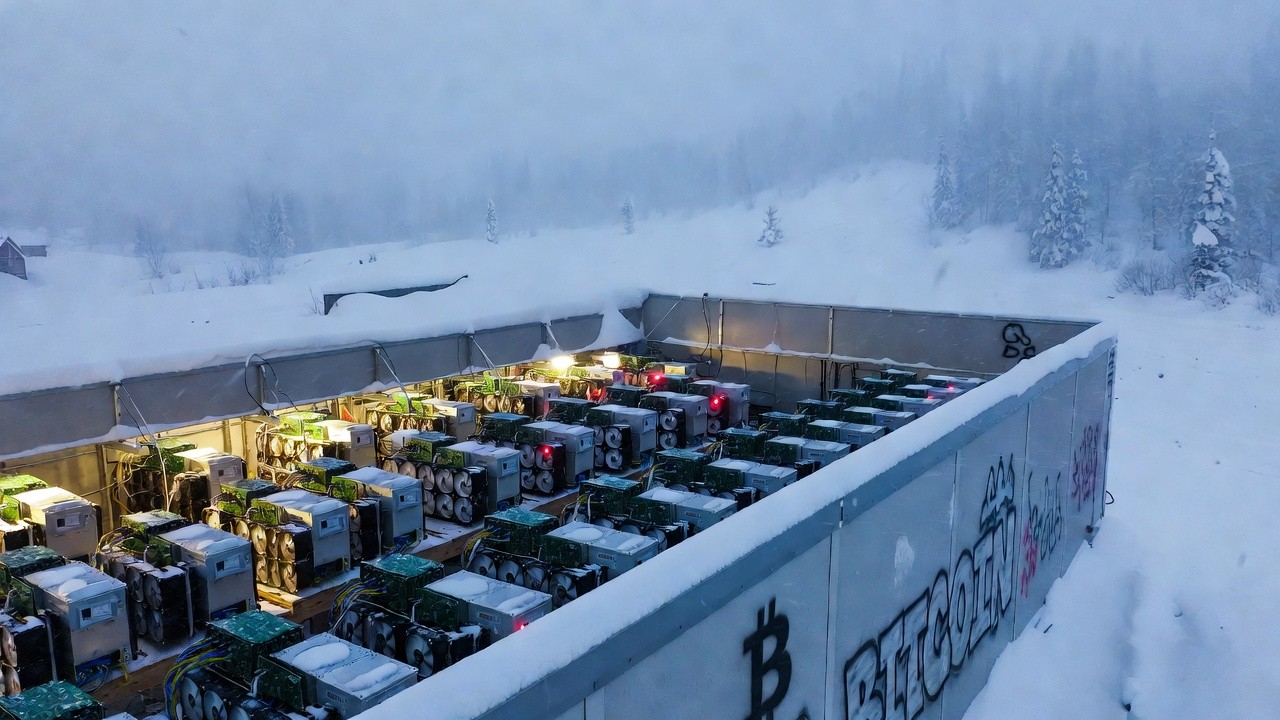
95% of Iran’s Bitcoin Mining Devices Operate Illegally Photo by: FT
Iran is grappling with a large‑scale illicit mining sector, according to statements by Akbar Hasan Beklou, CEO of the Tehran Province Electricity Distribution Company. He estimated that out of roughly 427,000 active mining devices across the country, over 95 % are operating without state authorisation.
These unauthorised rigs reportedly consume more than 1,400 megawatts of power around the clock—comparable to the electricity usage of a large city—and are placing heavy pressure on Iran’s ageing power infrastructure.
Beklou described Iran as having become “a paradise for illegal miners,” pointing to subsidised electricity rates and to miners disguising operations as industrial facilities to access cheap power.
While official commentary refers generically to “mining devices” and does not explicitly confirm that each machine is dedicated to Bitcoin, independent sources indicate Iran contributes approximately 4.2 % of the global Bitcoin hashrate.
This suggests that the vast majority of the rigs are indeed focused on Bitcoin, though it remains possible a small percentage is used for other cryptocurrencies.
In response to the proliferation of unauthorised mining, authorities in Tehran Province alone have shut down 104 illegal mining farms and seized 1,465 devices—equivalent in electricity draw to nearly 10,000 households.
The government has also introduced a financial reward for citizens reporting illegal machines (1 million toman per device) as part of its enforcement strategy.
From a Bitcoin‑industry perspective, Iran’s predicament underscores the challenges of aligning mining operations with regulated electricity usage, especially in jurisdictions with heavy energy subsidies and weak oversight. The scale of unlicensed activity introduces additional risk, both for infrastructure stability and for miners operating in a legal grey zone.
In closing, Iran’s experience may serve as a cautionary case for other mining jurisdictions: rapid growth in mining capacity must be matched by effective regulation and energy‑policy alignment if grid stability and legal compliance are to be maintained.