

Fiat World
Feb 22, 2026
Woori Bank in SK Photo by: Bussines Korea
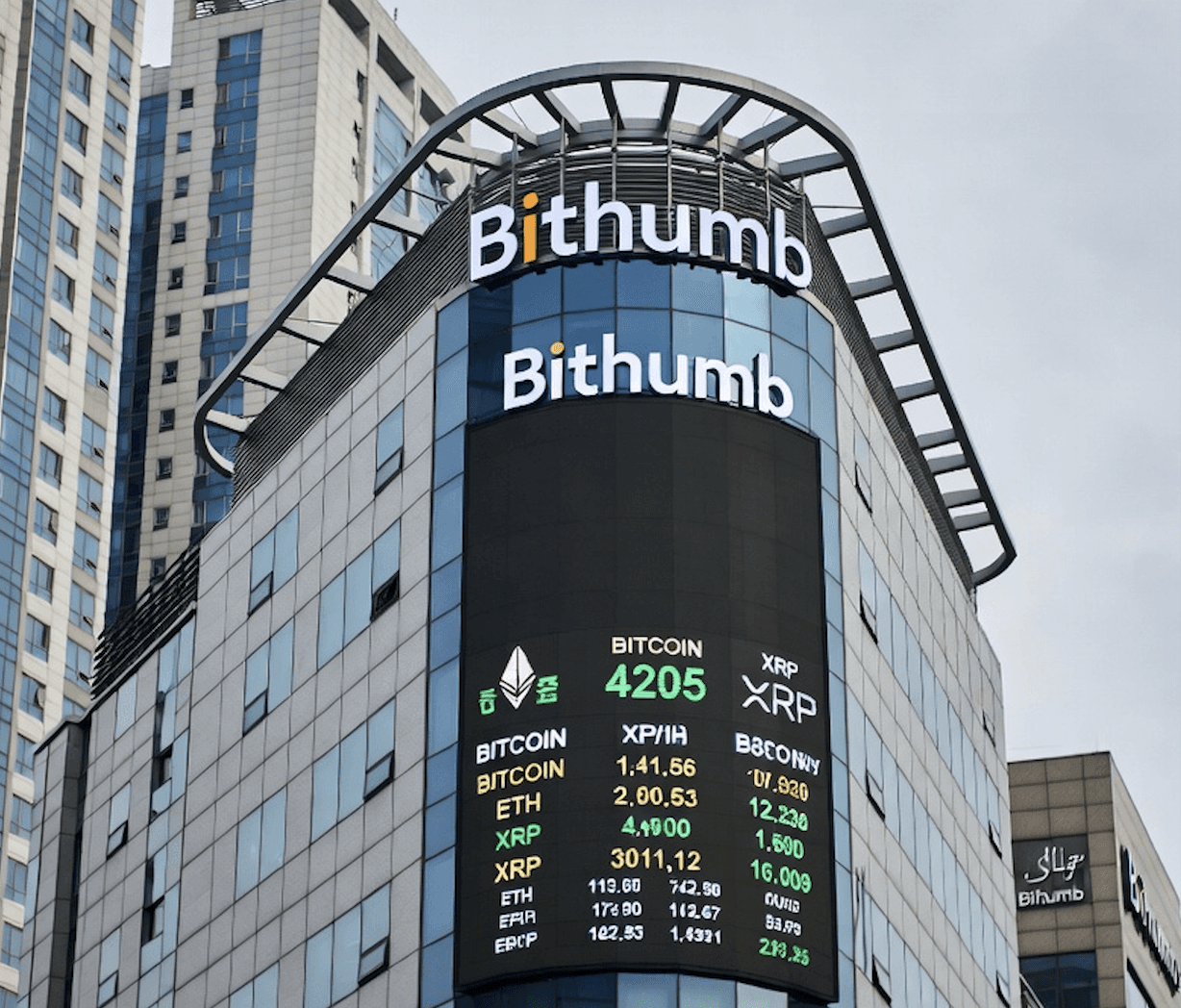
South Korea’s Woori Bank has taken a notable step towards mainstreaming digital assets by integrating a live Bitcoin price feed into its primary trading room. As of early December 2025, traders in the bank’s Seoul dealing room can observe Bitcoin price data alongside conventional metrics such as foreign‑exchange rates and domestic stock market indices.
This move represents the first time a Korean commercial bank has given Bitcoin comparable prominence to traditional asset classes within its real‑time trading environment. By placing Bitcoin side‑by‑side with FX, bonds, and equity data, Woori Bank is effectively signalling that digital assets have matured into a material factor in global market dynamics. A bank spokesperson stated that digital assets have grown “in prominence and influence in global financial markets,” and must therefore be monitored as a key indicator of market sentiment.
The broader timing of this development is significant. Korean financial institutions are increasingly exploring digital‑asset infrastructure. For instance, just days earlier, Hana Financial Group announced a cooperation agreement with Dunamu, operator of the Upbit cryptocurrency exchange, to deploy blockchain technology across banking services such as international remittances.
Nonetheless, Woori Bank has not formally declared any asset‑custody, trading, or custody products for crypto. The price display appears to be a first, low‑risk step — enabling traders to stay informed about macro‑level shifts in crypto markets without necessarily engaging in crypto transactions.
The regulatory landscape in South Korea may be further evolving. Recent proposals reportedly aim to reserve issuance of won‑pegged stablecoins for bank‑led consortia, which could position major banks as stablecoin issuers once frameworks are finalised.
For Bitcoin and the broader digital‑asset ecosystem, Woori Bank’s action marks a subtle yet meaningful shift: digital assets are no longer fringe side‑projects or speculative detours, but data points deserving attention in conventional finance. It reflects growing institutional comfort with crypto as part of the broader macro‑economic landscape — a development that may pave the way for deeper integration of digital asset services in banking.