

Markets
Feb 22, 2026
Why Fold’s Bitcoin Credit Card Matters Photo by: Riley Morgan
Why Fold’s Bitcoin Credit Card Matters — and What It Signals for the Competition
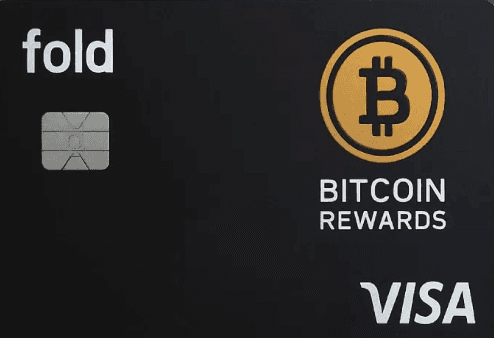
In a move that may shift the incentives around consumer finance, Fold has announced a new Bitcoin‑rewards credit card, powered by Stripe and issued on Visa’s network. The card offers up to 3.5% back in bitcoin — 2% immediately on every purchase, plus up to 1.5% extra if you pay off the balance via a Fold Checking account with certain activity. On top of that, there are special “merchant network” boosts that can push rewards as high as 10% back in bitcoin at select brands.
Fold has handled over US$ 3.1 billion in transaction volume across its ecosystem.
It has distributed more than US$ 83 million in bitcoin rewards to date.
In its treasury, Fold holds around 1,500 BTC.
These metrics show that Fold is not a moonshot prototype — it already has scale and a running rewards engine.
Fold’s push with a credit card built explicitly around Bitcoin rewards is more than a novelty. It’s a strategic signal: if crypto‑friendly credit products become expected by users, any financial player ignoring this could be left at a disadvantage.
Here’s what’s at stake:
Rewards differentiation becomes crypto-inflected. Traditional cashback and points programs may struggle to compete if consumers begin to see "earn bitcoin while you spend" as normal.
Network effects in consumer finance. As more spending gets tied to crypto rewards, there's an incentive for merchants and fintechs to integrate toward products that let users stack sats — not just points.
Pressure on incumbents. Visa and Stripe backing this product show that major rails are willing to nudge in this direction. Others in the card business will need to evaluate whether to build or risk losing competitive parity.
Lowering the barrier for adoption. Fold’s design avoids many crypto friction points: no staking, no token shenanigans, no requirement to hold or use a separate exchange. Everything is automated. By making bitcoin rewards “just another feature,” it changes the psychological threshold for uptake.
In short: this is a classic “if you don’t join, you get left behind” move.
Margin and sustainability. Can Fold — or competitors — sustain 2–3.5% payback in BTC over the long term? Rewards programs must be funded, and volatility in BTC value could complicate modeling.
Regulation and compliance. Credit cards, rewards, and crypto cross several regulatory domains. Consumer protections, accounting rules, tax treatment, and disclosure will matter.
Adoption friction. Even with simplicity, users will still worry about volatility, counterparty risk, and integration with wallets and custodial services.
Competitive response. Will big incumbents (banks, credit card issuers) replicate this? Or will they adopt hybrid models (cashback + optional crypto conversion)?
Fold’s new Bitcoin credit card isn’t just a product launch — it’s a tactical move in the evolving chessboard of finance + crypto. It forces the question: in a world where “spend and earn bitcoin” becomes normalized, will firms that stick with legacy cashback or points-only systems look increasingly stale?