
Fiat World
Feb 22, 2026
Trump Declares U.S. Must Be the “Bitcoin Superpower” Photo by: Fox news
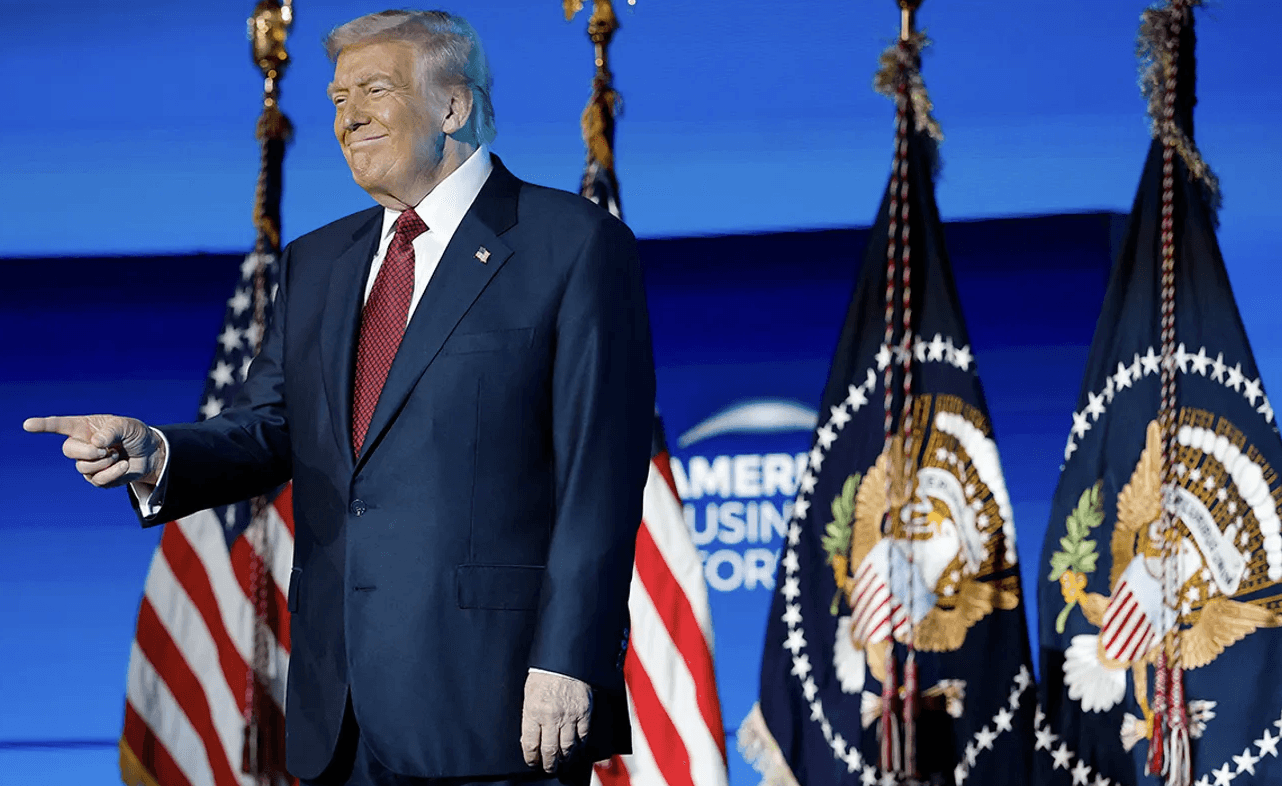
Speaking at the America Business Forum in Miami on 5 November, U.S. President Donald Trump declared his intention for the United States to become the world’s “Bitcoin superpower”. Framing digital asset leadership as a matter of national importance, Trump cited international competition, particularly from China, as a key reason to support the sector.
“We’re making the United States the Bitcoin superpower, the crypto capital of the world,” Trump said. “If we don’t do it properly, China… they want to do it. Other countries want to do it.”
Trump claimed his administration had ended what he described as a federal “war on crypto”, through executive orders aimed at rolling back hostile policies from previous administrations.
“Crypto was under siege. It’s not under siege anymore,” he stated, offering no new regulatory proposals but positioning his government as pro-innovation.
The President also linked the growth of the digital asset industry to broader U.S. strategic interests, suggesting that cryptocurrencies can reduce pressure on the U.S. dollar while remaining compatible with its dominance. “It does a lot of good things, but we’re into it,” Trump said, without detailing policy specifics.
Though his speech lacked concrete regulatory plans or timelines, the administration has recently taken steps aligned with his rhetoric. In 2025, the White House announced the creation of a Strategic Bitcoin Reserve and a U.S. Digital Asset Stockpile, composed of coins obtained through federal seizures.
However, no government purchases of Bitcoin have been made to date.
Trump also reiterated his rejection of a central bank digital currency (CBDC), contrasting it with support for open crypto innovation. The GENIUS Act, signed into law in July, established a framework for stablecoins, and broader digital asset legislation remains under review in Congress.
His remarks underscore Bitcoin’s growing relevance in U.S. policy, as geopolitical and economic dynamics place increased emphasis on technological sovereignty and monetary alternatives.