Markets
Feb 22, 2026
SoFi becomes first U.S. national bank to offer Bitcoin trading Photo by: Midjourney
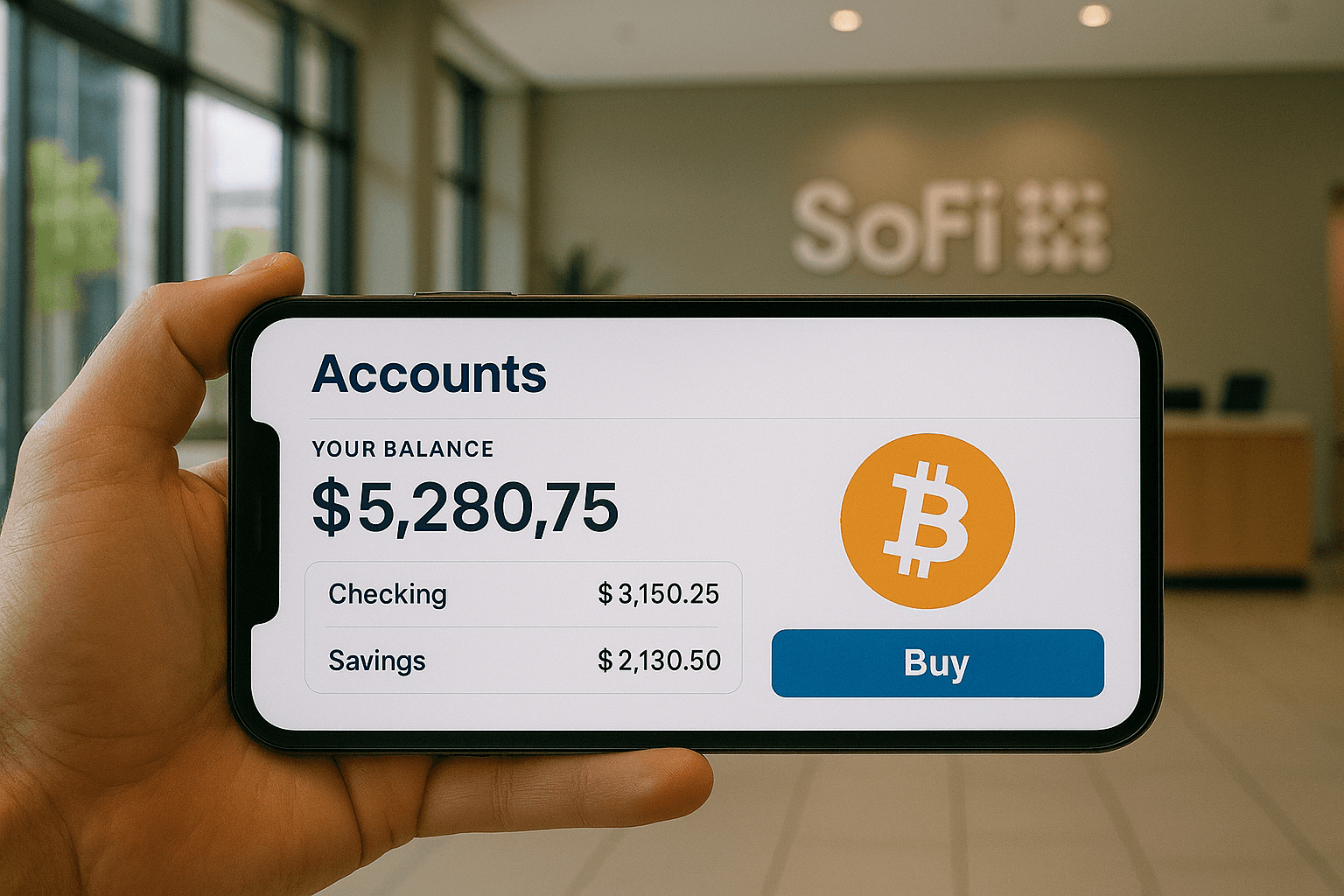
SoFi Technologies, Inc., a U.S. fintech‑bank, announced on 11 November 2025 that it is rolling out “SoFi Crypto”, enabling its banking customers to buy, sell and hold cryptocurrencies such as Bitcoin, Ethereum and Solana within the same app where they bank and invest.
This launch makes SoFi the first nationally‑chartered, FDIC‑insured consumer bank in the United States to integrate a consumer crypto trading platform directly into its core banking offering. The company emphasised that this service provides bank‑grade security and seamless fund movement: customers can buy crypto directly from funds already in their checking or savings accounts, with no need to transfer balances to a separate exchange.
The timing reflects a broader regulatory shift in the U.S. banking system. Earlier in 2025, federal regulators such as the Office of the Comptroller of the Currency (OCC) clarified that banks with the right charter can legally custody crypto and offer digital‑asset services. SoFi’s CEO, Anthony Noto, described the launch as “a pivotal moment when banking meets crypto in one app, on a trusted platform.”
From a Bitcoin‑centric viewpoint, this development matters for several reasons: it lowers the barrier for mainstream consumers to access Bitcoin through regulated banking channels; it potentially widens investor participation; and it signals that banks now regard crypto‑asset services as a legitimate part of their product stack rather than fringe experiments.
However, important caveats remain: SoFi emphasises that cryptocurrencies are not bank deposits, are not FDIC‑insured and carry inherent risk. Moreover, the rollout is phased, initially via a waitlist, and will take weeks to reach all 12.6 million SoFi members.
In conclusion, while this represents a landmark in crypto‑banking convergence, the real test will lie in consumer adoption, operational execution and how other banks respond. For Bitcoin, the entry of a bank‑regulated channel may accelerate access but also raises questions about how such integration affects the decentralised ethos of the asset.