

Fiat World
Feb 22, 2026
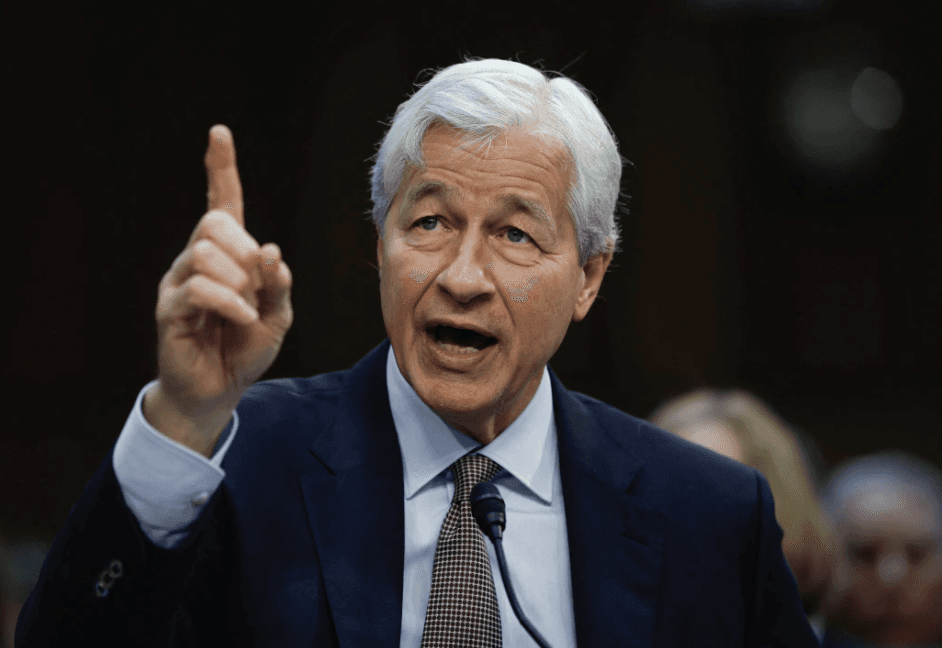
Jamie Dimon CEO of JP Morgan Photo by: Reuters
In recent years JPMorgan’s chief executive, Jamie Dimon, has been outspoken in his criticism of Bitcoin and cryptocurrencies. He told a Senate hearing that “the primary use case for crypto is by criminals involved in activities such as drug‑trafficking, money‑laundering and tax‑evasion.” In January 2025 he reiterated that “Bitcoin is the go‑to for criminals” in a CBS interview.
Yet, while publicly pointing to Bitcoin’s risks, JPMorgan finds itself facing serious scrutiny for its own role in enabling wrongdoing. According to newly unsealed court documents and a Senate memorandum, the bank processed more than a billion dollars in transactions for Jeffrey Epstein’s network, ignored internal compliance warnings and kept Epstein as a client over many years. The bank also settled related claims: in 2023 it agreed to pay the U.S. Virgin Islands $75 million to resolve allegations that it enabled Epstein’s sex‑trafficking operation.
Significant settlements expose the scale of JPMorgan’s compliance problems:
In November 2013 the bank agreed to a $13 billion settlement (comprising roughly $9 billion in fines and $4 billion in consumer relief) with the U.S. Department of Justice and multiple state regulators over its role in the sale of toxic residential mortgage‑backed securities ahead of the 2008 financial crisis.
In January 2014 JPMorgan agreed to pay approximately $1.7 billion in forfeiture and related payments to settle criminal charges tied to its role as banker to the Bernie Madoff Ponzi scheme and failure to file suspicious activity reports.
In September 2020 the bank entered a deferred prosecution agreement and paid $920 million to settle charges of manipulative trading (“spoofing”) in U.S. precious‑metals and Treasury futures markets.
From a sound‑money perspective, this raises a central question: why is Bitcoin publicly treated as a systemic threat when major institutions that form the existing financial framework have themselves been implicated in large‑scale regulatory and ethical failures? Bitcoin’s narrative as a decentralised alternative grows ever more relevant when legacy institutions appear to be held to different standards.
For Bitcoin market participants the dichotomy matters. On one hand, Dimon’s comments may influence regulatory rhetoric and institutional sentiment. On the other, disclosures about JPMorgan’s conduct highlight the moral hazard and counterparty risk inherent in the traditional banking structure. As Bitcoin’s adoption broadens among institutions and sovereigns, the weight of legacy‑system scrutiny may serve to bolster the case for non‑custodial, border‑resistant monetary systems.
In short: while JPMorgan warns of Bitcoin’s criminal use‑cases, the evidence suggests its own business model has been complicit in far more serious systemic failures. The implication is clear: the debate over sound money is not simply about Bitcoin vs fiat, but about transparency, integrity and who really controls money.