Markets
Feb 22, 2026
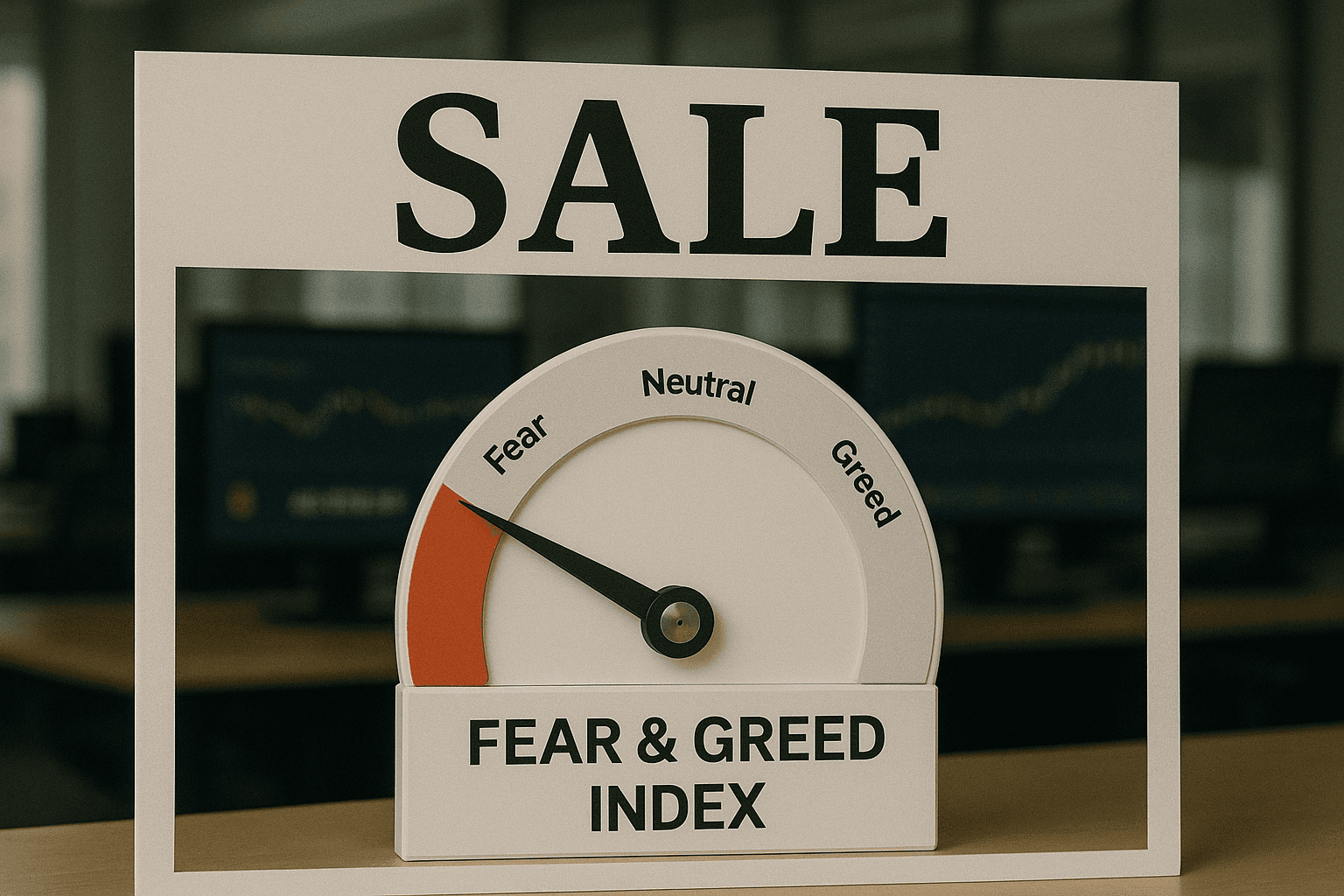
Fear & Greed Index = Extreme Fear Photo by: Midjourney
While Bitcoin’s Fear & Greed Index has plunged to extreme lows, with markets dipping below US$100,000, the institutional signals suggest a maturing and increasingly integrated asset class.
The last few days we noticed, Strategy announced a bold move: launching a euro-denominated preferred stock offering aimed at amplifying its Bitcoin-driven growth model. Rather than simply raising capital, the offering reflects a hybrid financial approach, blending traditional equity instruments with the firm’s Bitcoin treasury strategy. It deepens institutional exposure to the asset while potentially boosting investor yield, signalling Strategy’s conviction that Bitcoin will remain a core part of its long-term balance sheet play.
Elsewhere, the Swiss firm Future Holdings AG, co-founded by Blockstream CEO Adam Back, secured CHF 28 million (~US$31 million) to develop Bitcoin treasury infrastructure for businesses and institutions. The initiative is being framed as a bridge between regulated Swiss financial services and sound-money principles, with a focus on custody, compliance, and long-term Bitcoin allocation.
In the UK, regulators have taken a rare forward step by approving retail investor access to Fidelity’s physically-backed Bitcoin ETP. This marks one of the clearest signs yet that Bitcoin is entering the regulated retail financial ecosystem in Europe.
Meanwhile, recent data shows that over the last month, long-term holders have sold an estimated 400,000 BTC. Despite this distribution, prices have remained resilient, suggesting a healthy appetite from institutional buyers and other market participants capable of absorbing significant volume.
Adding a political dimension, former UK Chancellor Kwasi Kwarteng has joined the board of a Bitcoin investment firm. His involvement may signal increasing mainstream political acceptance of Bitcoin within the UK’s evolving financial framework.
In contrast to the fearful sentiment seen in retail markets, these developments underscore a broader transition: Bitcoin is becoming structurally embedded in financial, regulatory, and capital markets. That foundation may prove more significant than near-term volatility.